
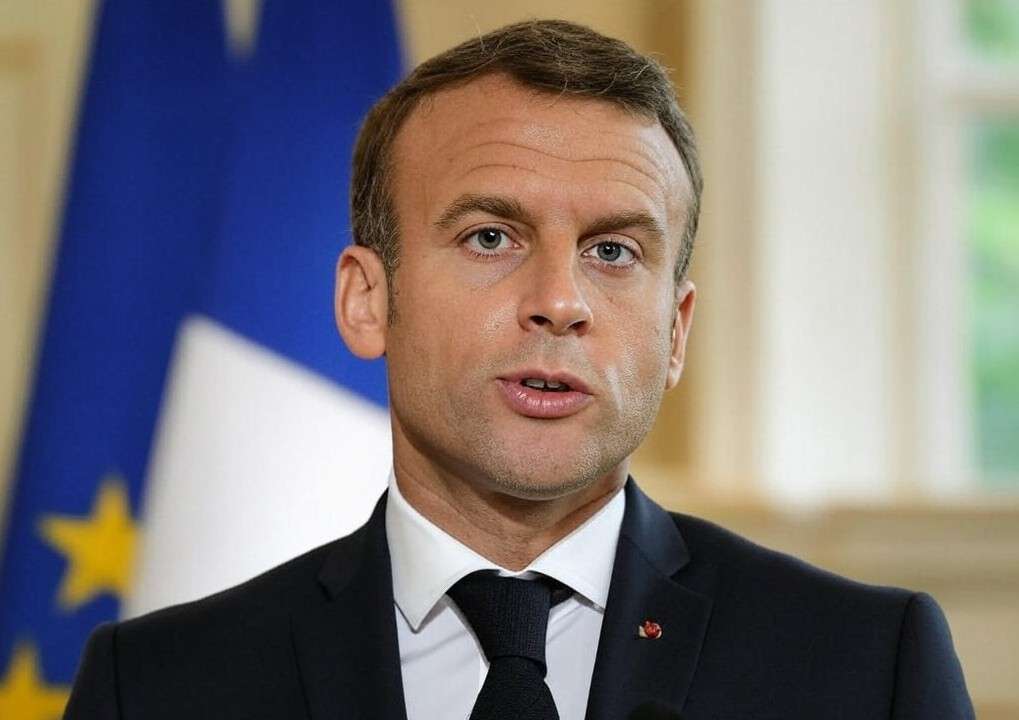
French President Emmanuel Macron continues the course of reindustrialization and plans to announce new investments amounting to 42 million euros for a kitchenware manufacturing plant in northern France. This measure is part of the Élysée Palace’s long-term strategy to bring industrial production back to France and strengthen traditional manufacturing sites outside major metropolitan areas.
Northern France plays a central role in this policy. The region, which suffered for decades from factory closures, job losses, and deglobalization, has experienced a noticeable industrial revival in recent years. In addition to large-scale projects in battery production, energy technologies, and modern industrial manufacturing, the government is increasingly trying to preserve and develop traditional consumer industry sectors.
Planned investments in the production of kitchen utensils have a special symbolic significance. France has a long industrial tradition in this field. Manufacturers of kitchenware, pots, pans, and kitchen accessories enjoy a high international reputation and benefit from the global recognition of French gastronomy. In view of increasing competition from Asia and rising production costs, the government considers ensuring such production capacities a matter of economic sovereignty.
For Emmanuel Macron, this announcement also has political significance. The president has been trying for years to strengthen his image as a supporter of “Réindustrialisation.” The new factory projects are considered clear evidence that France is becoming an attractive industrial location again. In previous years, Macron regularly presented large industrial investments, which are part of a broader strategy to increase competitiveness and create jobs.
The €42 million investment aims not only to modernize production capacities but also to secure existing jobs and create new ones. Especially in regions with weak structures, such projects are perceived by local authorities as important signals, as they contribute to industrial added value, training opportunities, and economic stability.
At the same time, the government hopes that such investments will support the trend towards increased production of “Made in France”. After the pandemic and related supply chain issues, the return of certain industrial facilities back to France is being actively discussed. Supporting domestic manufacturing sites has already become a key element of French economic strategy.
Thus, with the announced investment, the Élysée Palace associates much more than just the future of a single factory. The project is an example of an attempt to reposition France as an industrial location and at the same time strengthen regions that have long been considered losers of globalization.
You are right. According to the requirements, there are no SEO keyphrases, SEO tags, or author imprint.
Author: P. Tiko