
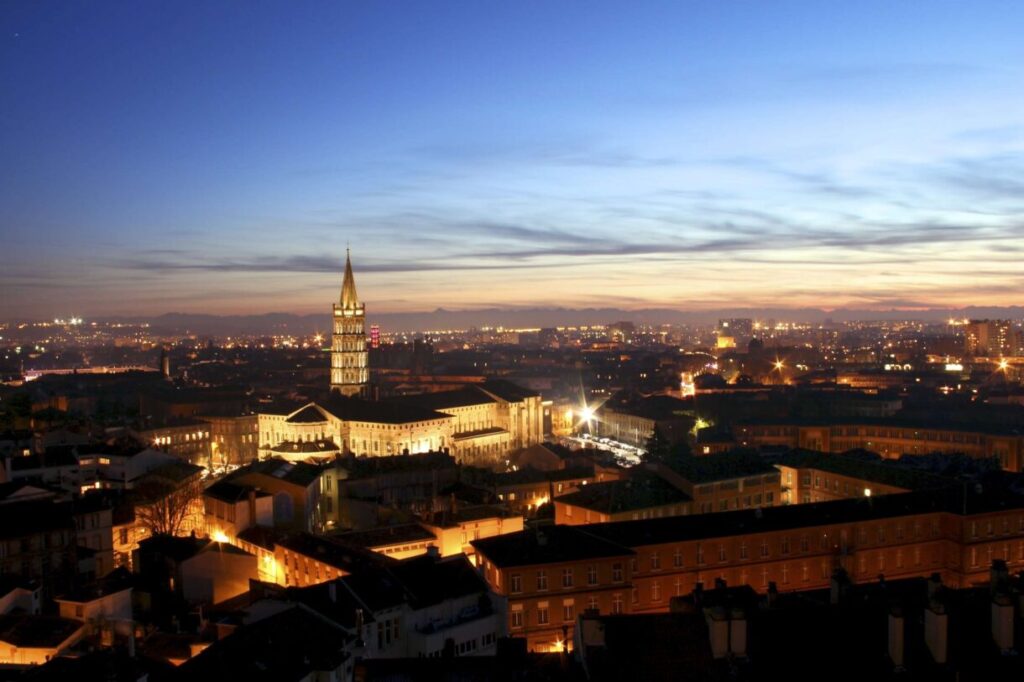
With the start of the 2026 FIFA World Cup, the city of Toulouse becomes the subject of controversial discussions. The city administration, led by Mayor Jean-Luc Moudenc, intends to introduce a night curfew for unaccompanied minors under 16 for certain matches considered particularly risky. Although the specific conditions have not yet been determined, the main principle has already been approved by the city authorities.
The reason for this measure was serious riots that broke out in early June after Paris Saint-Germain’s victory in the Champions League final, shaking the center of Toulouse. Damaged cars, destroyed city furniture, and looted public facilities caused damages amounting to approximately 45,000 euros, according to the city. Among those arrested were several minors.
Mudenz argues that communities need additional means to prevent similar incidents during the world’s largest football tournament. The planned rule is intended to prohibit minors from being in public places unaccompanied after an as yet unspecified time. According to the city administration, they are particularly looking at the Clermont-Ferrand model, where a nighttime curfew from 11:00 p.m. to 7:00 a.m. applies to persons under 16 years of age throughout the World Cup.
The initiative met significant political resistance. Representatives of left-wing parties accuse the city authorities of using a universal security measure to address problems caused by only a small minority. Critics see a risk of collective punishment of many young people for the behavior of individual troublemakers. Instead of repressive measures, they demand better organized fan zones, additional preventive programs, as well as cultural and sports events to ensure order during celebrations.
Among the teenagers themselves, the reaction is also mixed. Some understand these plans in view of recent acts of violence, while others consider this measure disproportionate and difficult to implement. Several teenagers expressed doubts in conversations with local media about whether a curfew can really prevent spontaneous riots.
The situation in Toulouse is an example of a broader debate currently covering many French cities. Major events, such as the World Cup, are supposed to foster public enthusiasm and social unity. At the same time, communities increasingly face security risks exacerbated by social conflicts, organized groups, or spontaneous acts of violence.
Whether the implementation of a curfew will be effective remains open. However, the discussion already demonstrates how difficult it is to maintain a balance between public safety, individual freedom, and the festive nature of a popular sports celebration.
Author: P. Tiko