Back

Nachrichten.fr · May 29, 2026

Andrey Zvyagintsev Appeals to President Putin to End the "Massacre"

Foto Yuki Space

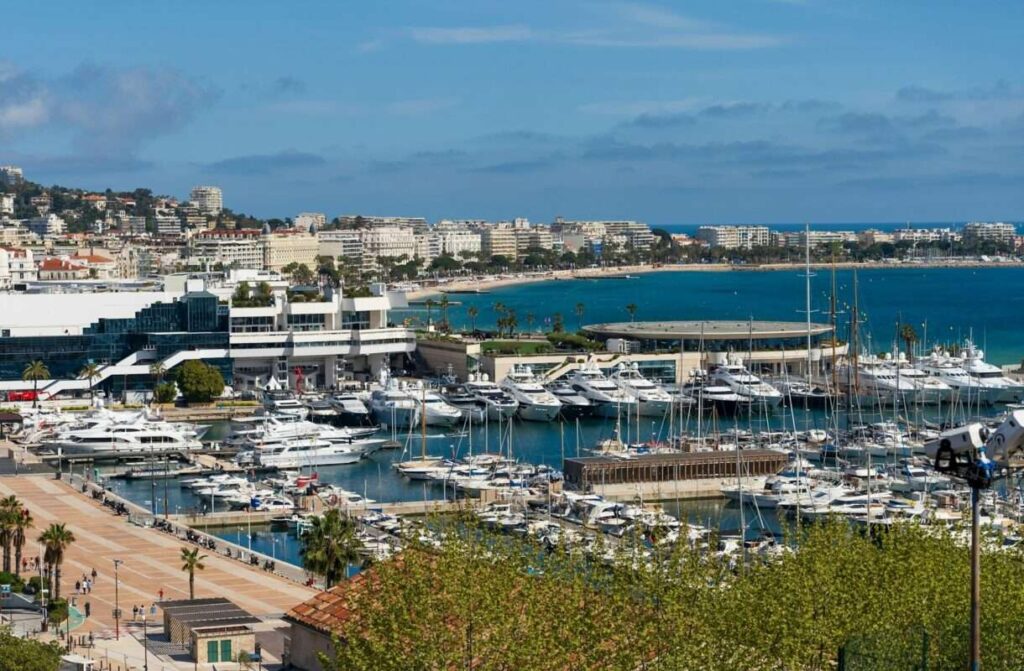
Cannes – 23 May 2026: Russian film director Andrey Zvyagintsev won the Grand Prix at the 79th Cannes Film Festival for his film “Minotaur”. In his subsequent acceptance remarks, he made a direct appeal to Russian President Vladimir Putin, whom he said was the only person who could stop the current acts of war in Ukraine. Zvyagintsev said, “Millions of people on both sides long for this massacre to finally end. The whole world is waiting for you to end this slaughter.”

“Minotaur” is Zvyagintsev’s first film in nine years and deals with the impact of war on private life in Russia. The story centers on a successful businessman who faces his wife’s infidelity while the society around him is filled with fear, corruption and the effects of war.

Since the start of Russia’s invasion of Ukraine, Zvyagintsev has been living in exile in France. In Cannes he stressed that he could not return to Russia because he would not make propaganda films glorifying war and patriotism. “There is no place for me there anymore. Making films in such circumstances would be a betrayal for me,” he said.

But the Kremlin rejected the appeal. Kremlin spokesman Dmitry Peskov said on Monday that he did not intend to convey Zvyagintsev’s message to Putin and questioned the director’s legitimacy. He also criticized Zvyagintsev for not condemning Ukrainian attacks in eastern Ukraine and said the director “has no right” to make such demands.

“Minotaur” is scheduled to be released in French cinemas on 14 October 2026. Despite political tensions, Zvyagintsev hopes the film will be recognized in Russia through unofficial routes that avoid censorship.

Zvyagintsev’s public denunciation of the war and his use of an international forum like Cannes demonstrate the role of art and cinema as means of resistance and social commentary. His call for peace joins the voices of Russian exiles drawing global attention to the humanitarian impact of the conflict.

The Kremlin’s rejection highlights how tense the relationship between culture and politics is in Russia and the risks artists face when taking a public stand against the federal government. Zvyagintsev’s stance makes an important contribution to the debate about war, freedom and responsibility in an era of political censorship and exile.

Sources

  • The Moscow Times
  • Le Monde

Dieser Artikel wurde mit Hilfe künstlicher Intelligenz erstellt.