
The French film industry is under pressure. Not because of a decline in audience numbers or artistic debates, but due to a problem that has long been hidden behind the red curtain, the glitter of festivals, and the shadows of powerful figures: sexual violence and abuse of power in the film industry.
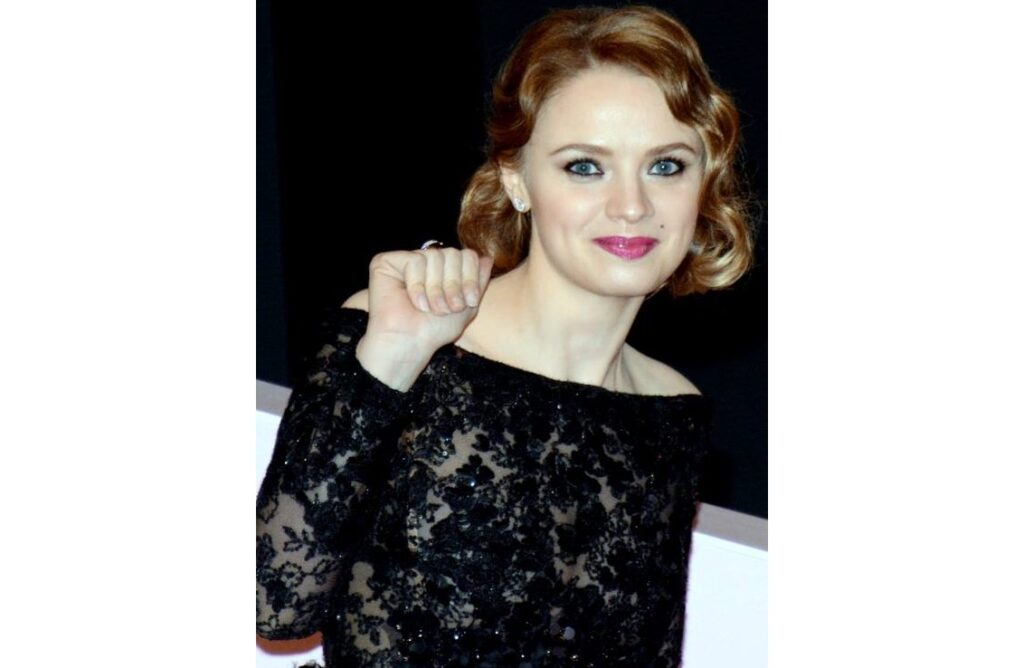
Actress Sarah Forestier has now become one of the important voices of the #MeToo movement in France. With uncommon frankness, she demands an end to impunity in politics and the industry. Her words strongly resonate with many.
At a hearing before the parliamentary inquiry committee at the end of 2024, Forestier recounted experiences that shocked many involved. She spoke about humiliation, violence on set, and situations that left her speechless as a young actress. Particularly shocking was that after a certain incident during filming, she was advised not to file a complaint. The economic losses of the production side were prioritized over her protection. This statement was like a blow.
Since then, a common thread runs through the French cultural scene. Many actresses have publicly shared experiences that were previously spoken of only in secret. Names like Judith Godrèche and Adèle Haenel have become important not only in the film industry but also in social discussions in France.
A investigative committee led by politician Sandrine Rousseau revealed a system in which dependencies had been formed over decades. Many young actresses, freelance staff, and interns have remained silent out of fear of career loss. Those who raised objections faced risks beyond just losing roles. In the film industry, such matters become known very quickly.
The report published by the committee goes further, mentioning the “systemic nature” of sexual and gender-based violence in the cultural sector. This is not just a political slogan. It means the problem is not a series of isolated incidents but part of the structure.
This is where the real conflict begins.
While many cultural stakeholders are calling for fundamental reforms, others are showing strong opposition. Some directors and producers warn of a so-called “witch hunt.” Others accuse the industry of having willfully looked the other way for decades. A deep divide has emerged between these two camps.
Forestier is not only taking legal action but also suing production companies and film organizations. The issues at hand include better protection for minors, clear complaint reception systems, the placement of intimacy coordinators on set, and increased responsibility of producers. These topics have already become standard in Hollywood following the Weinstein case, but they still spark debate in the French film industry.
France may face a cultural turning point as a result. Traditional auteur-driven films often pride themselves on expression and artistic freedom that push boundaries, but they suddenly have to accept new rules. Some see this as a necessary modernization, while others feel it is an attack on a culture.
However, one thing is clear. The dense silence that has covered the industry for years is gradually being broken. And this curtain is unlikely to close easily anymore.
Andreas M. B.