
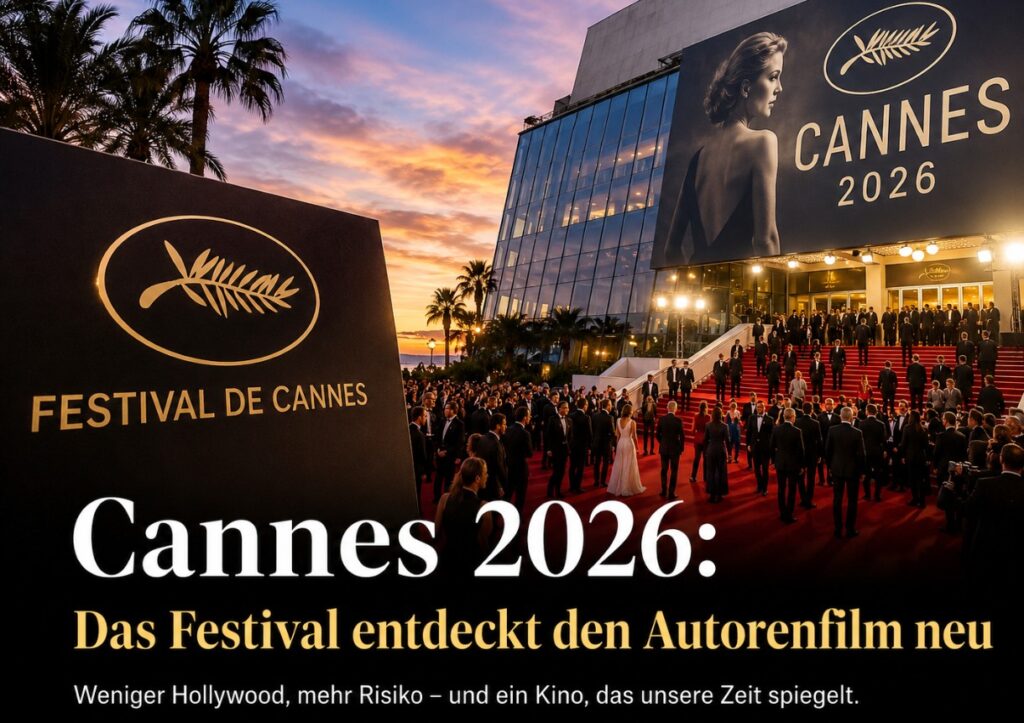
A different wind is blowing at this year’s Croisette. There are fewer Hollywood spotlights, less calculated glamour—instead, there are more dark themes, obscure narratives, and films that challenge the audience rather than trying to please. During the opening days of the Cannes Film Festival 2026, an atmosphere gradually emerged that surprised many longtime viewers: cinema is once again seeking adventure.
French director Léa Mysius’s film Stories of the Night (Histoires de la nuit) became a focal point of discussion. Adapted from Laurent Mauvignier’s novel, the film is now regarded as one of the strongest French entries in the competition. When audiences left the theater, they talked more about the atmosphere than the plot. The film enveloped viewers like a fog—oppressive, hypnotic, sometimes nearly suffocating. Monica Bellucci and Benoît Magimel carried the story with intense power, keeping the Croisette’s conversations going late into the night.
Quite different but equally striking is James Gray’s Paper Tiger. The American director, who joined the competition at the last minute, brought a kind of film many have longed for back to Cannes. It’s not a superhero blockbuster nor part of a franchise, but a quiet, melancholic work about loneliness, family, and lost dreams. Some critics even called it a small challenge to the modern film studio system. Indeed—sometimes a softly spoken film has far more impact than any explosion on screen.
The film festival is particularly notable for its international orientation. Names such as Pedro Almodóvar, Asghar Farhadi, Ryusuke Hamaguchi, and László Nemes frequently become topics of conversation at cafés on the Croisette. Many observers sense a trend back to classic auteur cinema — where directors not only convey content but also leave a unique personal imprint.
Compared to previous years, this year’s films seem more political and melancholic. War, identity crises, ecological anxiety, and fantasies of technological control become dark main themes in many films. A journalist described Cannes as a “tense and uneasy film festival.” In fact, the world situation seems to directly seep onto the screen. Even glamorous premieres suddenly take on a serious tone.
The changes at Cannes are also evident outside the cinemas. Between actors and directors, now influencers, TikTok commentators, and content creators also crowd the red carpet. Some see this as a fresh atmosphere, an opening of the festival to the younger generation; others feel annoyed and call it a continuous show of the digital age. This debate has now almost become an indispensable part of the Cannes Film Festival, just like evening gowns and tuxedos.
So far, there are no obvious frontrunners for the Palme d’Or. It is precisely this uncertainty that makes this year’s festival more captivating. Many radical, personalized works jointly shape this year’s competition instead of a single overwhelming masterpiece. Perhaps the enormous allure of past eras is somewhat missing, but Cannes 2026 seems to recall once again what made this festival famous: offering brave films to those willing to be surprised.
Author: C. Hatty