
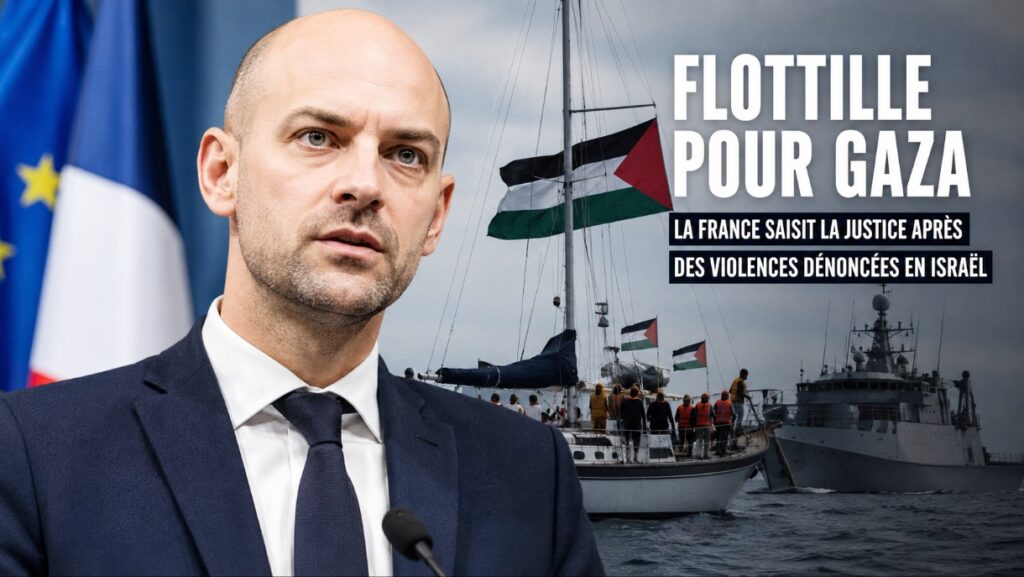
The French judiciary is set to investigate possible mistreatment of French citizens who participated in a solidarity flotilla for the Gaza Strip at the end of May. Foreign Minister Jean-Noël Barrot referred the case to the public prosecutor after several participants made serious allegations against Israeli authorities. The affair is thus developing into a new stress test for the already strained relations between Paris and Jerusalem.
At the center of the allegations are French activists who took part in the so-called “Global Sumud” flotilla. The initiative, consisting of several dozen boats, aimed to deliver symbolic aid to Gaza while also drawing attention to the humanitarian situation in the area, which is marked by war and blockade. The Israeli Navy stopped the convoy and temporarily detained numerous participants.
According to the French Foreign Ministry, several affected individuals reported mistreatment during their detention to consular officials. Reported abuses include physical violence, humiliation, sleep deprivation, and exposure to low temperatures. Particularly serious are allegations of sexual assault and other acts that could be criminally significant under French law.
Barrot based his decision on Article 40 of the French Code of Criminal Procedure, which obligates state authorities to refer possible criminal offenses to the competent investigative authorities. The public prosecutor is now to examine whether an investigation will be initiated and to what extent French courts are competent to investigate the allegations.
Meanwhile, several lawyers representing the affected activists are preparing their own complaints. They demand a comprehensive clarification of the events and a legal assessment of the allegations made. Whether the accusations will hold up in court is currently completely open. Investigators will have to examine both the credibility of the statements and potential evidence and witness testimonies.
The case also has a significant diplomatic dimension. Recently, France repeatedly criticized the Israeli government and emphasized its concerns about the humanitarian situation in the Gaza Strip. Additional tensions arose from Paris’s decision to impose entry restrictions on certain representatives of the Israeli right. Images of detained activists seen kneeling with their hands tied provoked outrage in several European countries.
Israel rejects the allegations of mistreatment. The government emphasizes that the activists were treated according to applicable security regulations. The investigations now underway are therefore expected to have not only legal but also political consequences. Their outcome could further influence the debate over how to handle international Gaza activists and the relationship between France and Israel.
Author: P. Tiko