
The case of eleven-year-old girl Rianna is developing into a national scandal in France. Initially, the girl’s disappearance attracted nationwide attention, but the focus has now shifted to questions about whether the judiciary and investigative authorities missed warning signs or did not respond strictly enough. President Emmanuel Macron made an unusually clear reference to ‘malfunctions’ and ‘mistakes’ in the judicial system. His remarks highlight the political significance, raising fundamental questions about the competence of state institutions beyond a simple criminal case.
A President Keeping Distance
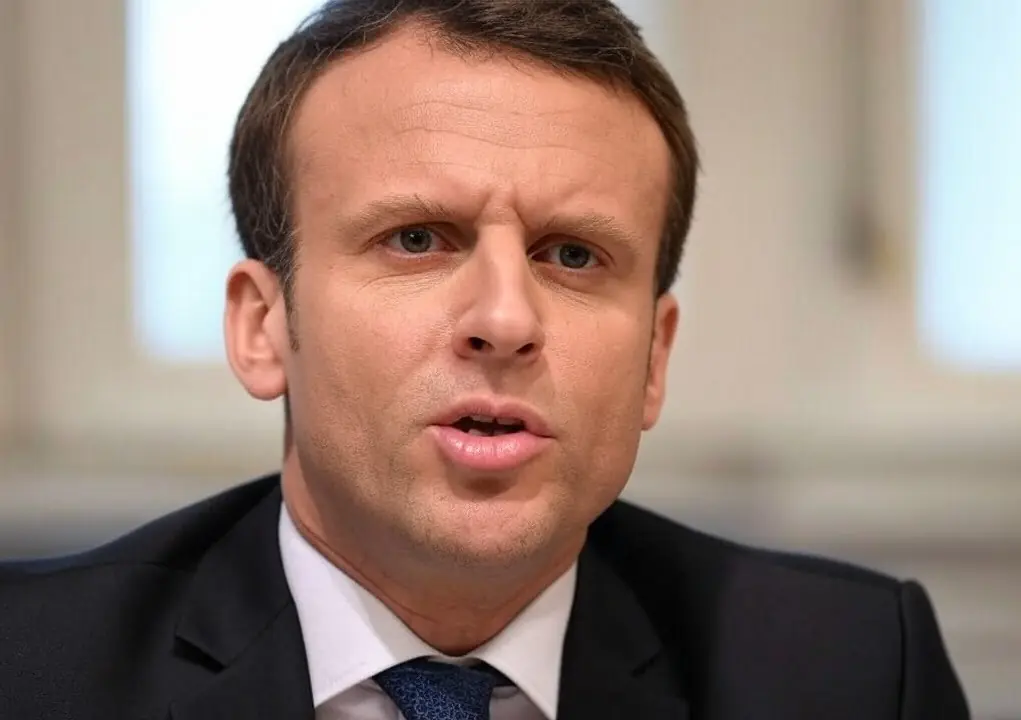
During a state visit to Montenegro, President Emmanuel Macron took a surprisingly firm stance on the facts revealed so far. He said he was ‘shocked’ by the developments in the case, emphasizing that matters should not have proceeded this way. He described the situation as ‘unacceptable.’
It is unusual for the French president to make such direct criticism of the functioning of state institutions. Macron avoided premature conclusions but was clear that a comprehensive investigation is needed. This investigation must reveal both individual mistakes and structural, organizational flaws.
The political significance of this statement lies in the fact that the president himself acknowledged the possibility of institutional failure. This is a notable change in France, where the executive traditionally places great value on defending institutions.
Key Question: Why Was No Earlier Action Taken?
At the heart of the controversy is the fact that the main suspect had been known to authorities before Rianna’s disappearance. The 41-year-old man reportedly had several warnings and complaints filed against him, including allegations of sexual violence against minors.
Particularly severe criticism is directed at the fact that a report of the rape of a minor filed in August 2025 did not lead to an investigation of the suspect even before Rianna went missing.
This is exactly the point where public outrage is concentrated. The discussion extends beyond the isolated crime itself to whether the incident could have been prevented.
Modern rule of law states have various mechanisms to protect children at risk. This includes information sharing and early risk recognition among police investigations, prosecutors, child protection agencies, schools, and social welfare services. However, when warning signs are ignored and timely action is not taken, thorough cause analysis is essential.
Judiciary and Gendarmerie Investigation
In response to growing political pressure, the government acted quickly. Prime Minister Sébastien Lecornu convened a crisis meeting with related ministers and simultaneously ordered audits within the judiciary and gendarmerie.
The investigation will focus on whether all warning signs were properly assessed and why some procedures were delayed. It will also review whether organizational flaws or individual judgment errors hindered early intervention.
The initial results are expected within a few weeks. The government apparently aims to avoid creating the impression that state institutions are stalling or evading responsibility.
At the same time, investigators are under great pressure. The public demands not only a thorough resolution of the crime but also clear answers about any institutional errors.
A Sensitive Topic in French Society
This case particularly resonates emotionally because it combines two subjects that regularly spark intense debate in France: child protection and sexual violence.
Several shocking incidents in recent years have shown how difficult it is to detect danger signs early. At the same time, societal awareness of sexual violence against minors has greatly increased.
Against this background, all suspicions of bureaucratic negligence are evaluated especially strictly. Many citizens are questioning why known risk factors did not lead to firmer responses.
The outrage is not just based on moral considerations. It is also linked to fundamental trust in state institutions. Citizens expect that when they report information or raise warning signs, these will be taken seriously and processed quickly.
Opposition Uses Case as Basis for Fundamental Debate
Politically, this case has triggered a new discussion about the current state of the French judiciary. Several opposition politicians see it as evidence of deep structural problems.
Critics have long pointed to overburdened prosecutors and judges, lengthy litigation periods, and difficulties in coordination between institutions. They view the Rianna case as emblematic of a system under strain in many ways.
However, Macron rejects the argument that the problem is merely a lack of funding. In his view, organizational structures, procedural processes, and accountability are equally problematic.
This debate suggests a fundamental political argument. Increased personnel and budgets can alleviate problems but do not automatically guarantee better outcomes. Conversely, organizational flaws may prevent existing information from being used effectively.
Therefore, the investigation now underway will also play an important role in clarifying whether the issue is resource scarcity or institutional procedural failure.
The Rianna case could have significant consequences for French domestic politics. If it is confirmed that warning signs were indeed insufficiently heeded, pressure on the government, judiciary, and security agencies will greatly increase. Calls for reform in child protection and sexual crime response will gain renewed momentum.
For Emmanuel Macron, this issue is particularly sensitive. On one hand, he demonstrates a willingness to act through strong criticism; on the other hand, the public expects concrete results from the investigation that will ultimately take place.
Thus, this case may become a symbol of national capability. The most important question is no longer what happened to Rianna, but whether French institutions can protect children at risk in the future and effectively convert warning signs into timely action.
Author: P. Tiko