
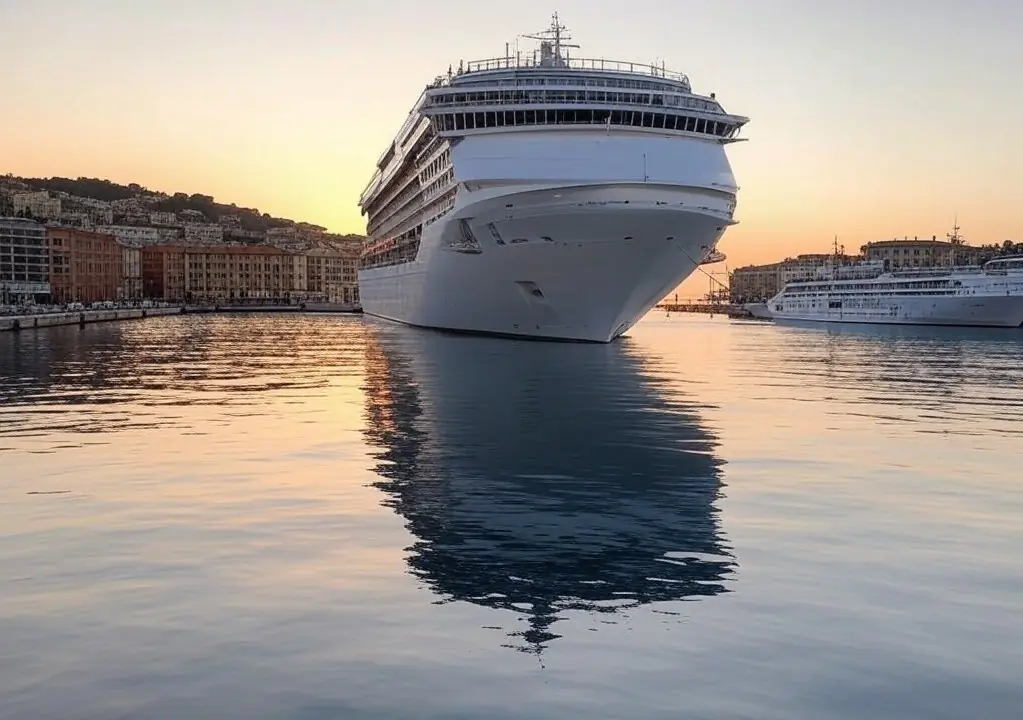
The state of emergency aboard a cruise ship in the port of Bordeaux is gradually easing. After several days of strict isolation measures, the French health authorities have lifted part of the imposed quarantine. Previously, a severe wave of gastroenteritis had spread on board, affecting many passengers and crew members.
The ship has been docked since the beginning of the crisis in the port of the southern French city. At times, the situation resembled more a floating hospital than a luxury hotel at sea. Cabins were transformed into isolation rooms, corridors remained deserted, and common areas were closed. Behind closed doors, vacationers awaited new information – and probably also the chance to finally breathe some fresh air.
Authorities now talk about a slow calming down. According to health services, the number of new cases has significantly decreased over the past 24 hours. For this reason, some passengers are now allowed to move around the ship in a limited way. However, the crisis is not entirely behind them. Some areas of the ship remain barricaded and several sick individuals are still in isolation.
At the center of investigations is a well-known pathogen: the norovirus. This highly contagious virus has been feared for years in the international cruise sector. Rarely does another pathogen spread as quickly in enclosed spaces. A hand grabbing utensils at the buffet, a door handle, close contact in the elevator: sometimes a brief moment is enough for the transmission chain to spiral out of control.
Passenger ships in particular have been recognized for decades as particularly vulnerable to this type of outbreak. Thousands of people share restaurants, pools, bars, and recreational areas in confined spaces. If a virus breaks out on board, its spread often resembles a wildfire. Since the Covid-19 pandemic, shipping companies have invested heavily in hygiene protocols, air filtration systems, and medical infrastructure. Yet, gastrointestinal infections remain a recurring problem for the industry. Much like rough seas: you hope to avoid it – but you can never completely rule it out.
In Bordeaux as well, the incident is attracting intense attention. Reports, speculations, and anxious inquiries from the public have multiplied over the past few days. Local authorities are nonetheless trying to reassure. According to the current state of knowledge, the city’s residents are not at any particular risk. The situation is under the strict control of the regional health agency and the port authority.
For passengers, the journey will likely leave a bitter aftertaste. Some mention chaotic communication, long hours of uncertainty, and psychological stress related to isolation. International travelers are now worried about return flights or possible changes to the continuation of their itinerary. Vacation is another story.
The complete lifting of all restrictions now depends on the coming days. Everything will depend on whether or not new cases appear. Until then, the ocean liner in Bordeaux remains yet another symbol showing how quickly even modern luxury liners can turn into fragile crisis zones.