
The case of 11-year-old girl Lyhanna is gradually evolving into a national scandal in France. Initially, the girl’s disappearance drew nationwide attention, and now the focus is increasingly shifting towards whether the judicial and investigative authorities ignored warning signs or failed to follow up decisively. President Emmanuel Macron has unusually spoken out about dysfunction and errors in the judicial system. His wording highlights the political sensitivity of the case, which goes far beyond a single criminal incident and raises fundamental questions about the effectiveness of national institutions.
The President’s Distant Attitude
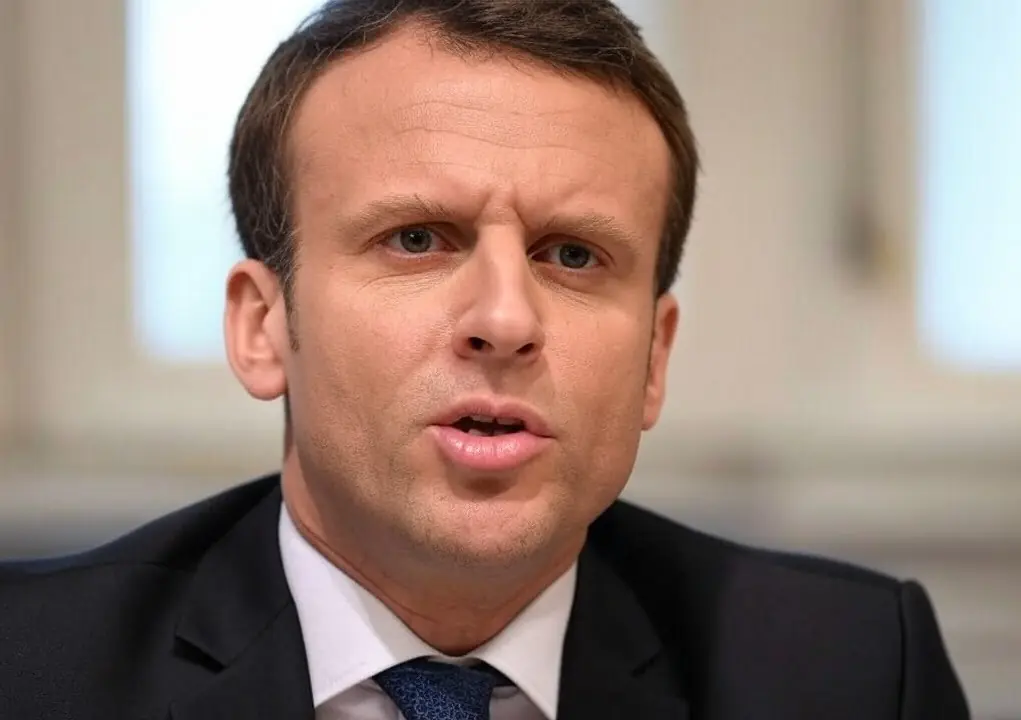
During a state visit to Montenegro, Emmanuel Macron gave unusually sharp comments on the situation as currently understood. He expressed being “shocked” by the progress of the case and said things had not proceeded as they should have, describing the current state as “unacceptable.”
For the French president, such direct criticism of the operation of national institutions is extremely rare. Although Macron avoided premature judgment, he clearly stated that a thorough investigation is necessary to identify possible individual errors as well as structural and organizational shortcomings.
The political significance of these remarks lies in the president personally acknowledging possible negligence on the part of the state. In the French administrative system, which traditionally values the image of its institutions, this is a major breakthrough.
Core Issue: Why Was Immediate Action Not Taken?
The controversy centers on the fact that the main suspect was already known to authorities prior to Lyhanna’s disappearance. The 41-year-old man is suspected of having been reported and complained about multiple times, including allegations of sexual violence against minors.
The most serious accusation is that a complaint filed in August 2025 regarding child rape apparently had not led to the suspect being questioned at the time of Lyhanna’s disappearance.
It is precisely this that has sparked public outrage. The concern is not only about the crime itself but also about whether it could have been prevented.
In modern rule-of-law states, there are multiple mechanisms to protect children at risk. Police investigations, prosecutorial authorities, youth services, schools, and social service agencies should share information to detect risk cases early. If signs indicate problems but no timely action is taken, it naturally raises questions about the reasons.
Investigations by the Judiciary and the Gendarmerie
Faced with increasing political pressure, the government responded quickly. Prime Minister Sébastien Lecornu convened a crisis meeting with the relevant ministers. Meanwhile, the judiciary and the gendarmerie launched internal reviews.
The investigation focuses on confirming whether all warning signs were properly assessed and why certain procedures progressed slowly. It is also examining whether organizational management flaws or individual decision-making errors hindered earlier intervention.
Preliminary results are expected to be announced within weeks. The government clearly wants to avoid the impression of delaying or shirking responsibility.
Meanwhile, investigators are under enormous pressure. The public not only expects a thorough investigation of the crime facts but also seeks answers about possible systemic failures.
A Sensitive Topic in French Society
The emotional intensity of the case is due to its involvement with two issues that spark fierce debate in France: child protection and sexual violence.
In recent years, several high-profile cases have demonstrated the difficulty of identifying children at risk early. At the same time, societal awareness of sexual violence against minors has significantly increased.
Against this background, any suspicion of official negligence is harshly scrutinized. Many citizens question why existing risk factors did not prompt authorities to take more decisive action.
Anger is not only based on moral judgment but also involves fundamental trust in state institutions. When citizens report or raise warnings, they expect this information to be taken seriously and handled promptly.
Opposition Uses Scandal to Spark Fundamental Debate
Politically, this case has sparked a new round of discussions about the state of the French judiciary. Opposition parties from various sides view this case as evidence of structural problems.
Critics have long pointed out the heavy workloads of prosecutors and judges, long trial durations, and coordination difficulties among various agencies. From their perspective, the Lyhanna case may reflect symptoms of a system under multiple pressures.
Macron, on the other hand, rejected the notion that the incident was solely due to a lack of financial resources. In his view, the issues also involve organizational structure, process operations, and distribution of responsibilities.
This argument highlights a fundamental political debate: while increasing staff and budget can alleviate difficulties, it does not necessarily lead to better outcomes. Organizational defects may also result in existing information not being effectively utilized.
Therefore, the current investigation must also clarify whether the problem lies in insufficient resources or institutional operational failure.
The Lyhanna case may have far-reaching impacts on French domestic affairs. If it is confirmed that warning signals were indeed not given sufficient attention, pressure on the government, judiciary, and security agencies will significantly increase. Calls for reforms in child protection and the handling of sexual crime cases will also gain new momentum.
For Emmanuel Macron, this matter is particularly sensitive. On one hand, he has shown a willingness to take action through frank statements. On the other hand, the public will ultimately judge the government’s performance based on the investigation results and subsequent measures.
This case has the potential to become a symbol of national efficiency. The key issue is no longer just what happened to Lyhanna, but whether French institutions can better protect at-risk children in the future and convert warnings into effective action in a timely manner.
Author: P. Tiko