
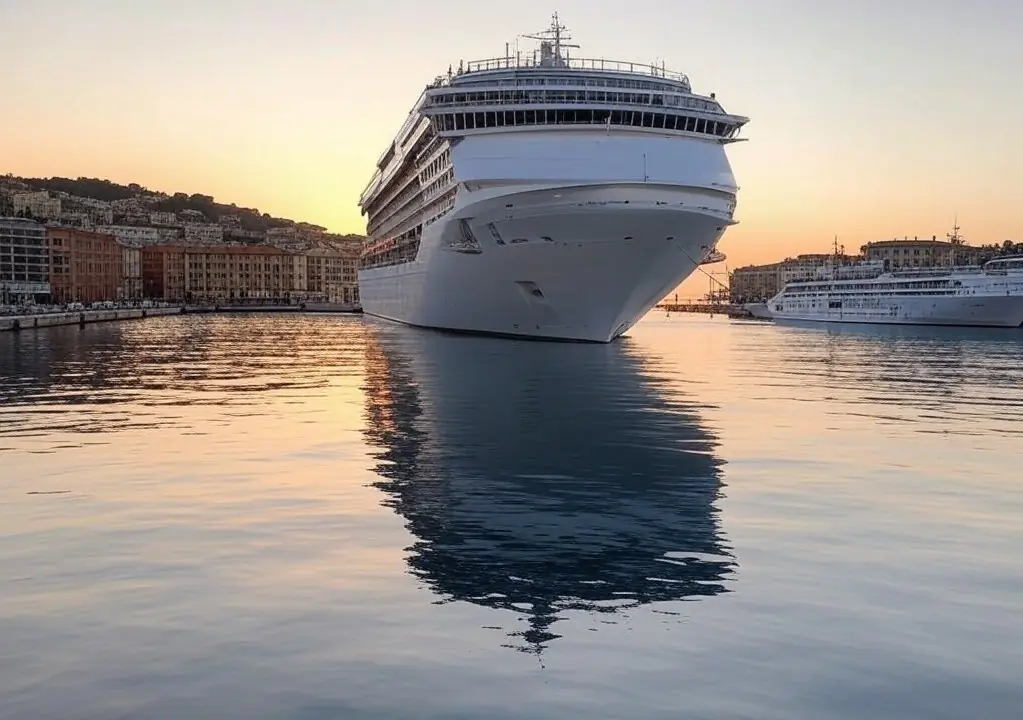
The emergency situation on a cruise ship in the port of Bordeaux is gradually easing. After several days of strict quarantine measures, French health authorities have lifted some of the imposed restrictions. Previously, a large-scale outbreak of gastrointestinal illness occurred on the ship, affecting many passengers and crew members.
Since the outbreak, the ship has been firmly docked in the harbor of this southern French city. At one point, the scene on board resembled a floating hospital rather than a luxury hotel at sea. Cabins were converted into isolation rooms, corridors were empty, and public areas were closed off. Behind closed doors, travelers awaited the latest information — also eager to breathe fresh air again.
Authorities say the situation is cautiously improving. Health officials report a significant decrease in new cases over the past 24 hours. Therefore, some passengers are now allowed limited movement on board. The crisis is not yet fully over; parts of the ship remain closed, and several patients are still in isolation.
The focus of the investigation is a well-known pathogen: norovirus. This highly contagious virus has long been a dreaded “frequent visitor” in the international cruise industry. In confined spaces, few pathogens can spread as quickly as it does. A utensil taken from the buffet, a door handle, close contact in the elevator — sometimes just a brief moment is enough for the chain of infection to spread rapidly.
Cruises have long been considered particularly susceptible to such outbreaks. Thousands of people share restaurants, pools, bars, and entertainment facilities in confined spaces. Once the virus appears on board, transmission often spreads like wildfire. Although cruise companies have invested heavily in hygiene protocols, air filtration systems, and medical infrastructure since the COVID-19 pandemic, gastrointestinal infections remain a longstanding challenge for the industry. It’s somewhat like rough sea conditions: people hope to avoid it, but cannot completely rule it out.
This incident has also attracted widespread attention in Bordeaux. In recent days, media reports, speculation, and concerned inquiries from the public have continuously increased. Local authorities are working hard to reassure the public. According to the current situation, citizens face no special danger. The situation is tightly controlled by regional health agencies and port management authorities.
For passengers, this trip will likely leave a bitter aftertaste. Some complain about confusing communication, prolonged uncertainty, and the mental stress caused by quarantine. Especially for international travelers, there is now concern about return flights or itinerary changes. Such an experience is clearly very different from what a vacation should be like.
Whether all restrictions will be fully lifted depends on the situation in the coming days. The key is whether new cases will appear or if the situation can remain stable. Until then, this cruise ship docked in Bordeaux has once again become a symbol of how modern luxury cruise ships can quickly turn into vulnerable crisis zones.