
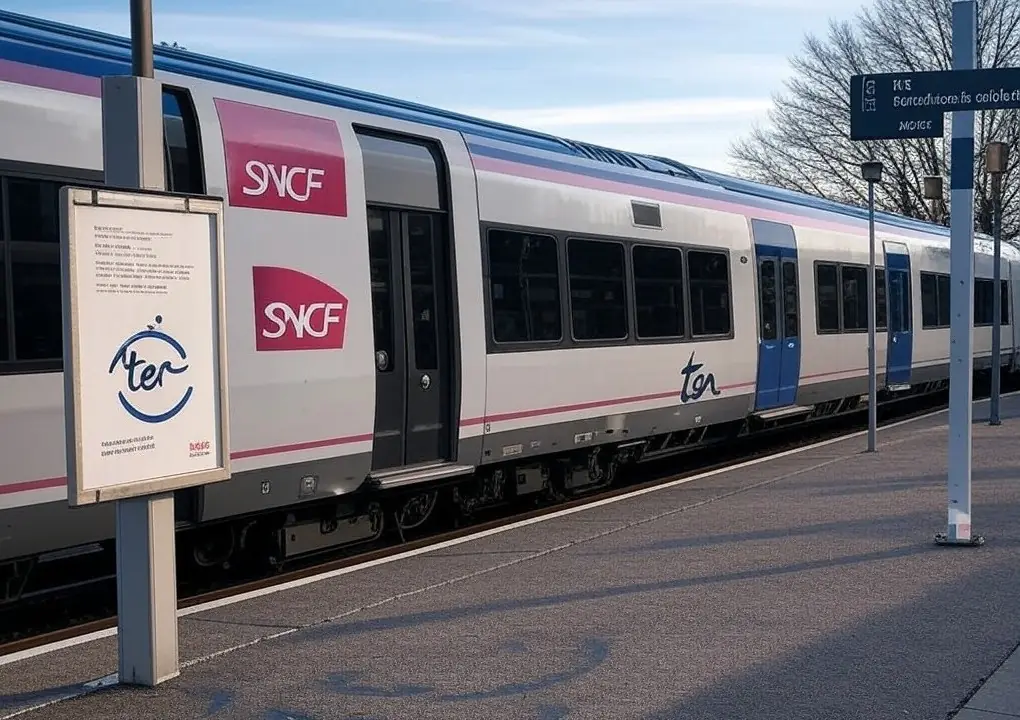
The nationwide strike at SNCF, called by the four largest unions of the French railway group, was very strictly observed in the Bordeaux area. As in many other parts of Nouvelle-Aquitaine, many employees participated in the strike, leading to significant disruptions in rail transport operations.
At Bordeaux-Saint-Jean station, many TGV, Intercités and TER trains were canceled or operated with significant delays. SNCF had previously listed Nouvelle-Aquitaine among the most heavily affected regions. Nationally, only about two-thirds of TGV trains and about half of Intercités services ran on schedule. Regional transport was even more severely affected in many areas.
According to information from the unions, the demands go far beyond the issue of wages alone. They particularly criticize the increasing deterioration of working conditions, restructurings due to the opening of the rail transport market, as well as staffing shortages in many professional fields. Additionally, employee representatives point to an increase in sick leave and rising pressure on staff.
In Bordeaux, there were many protests by railway workers in front of railway facilities and the areas around Saint-Jean station. Union representatives emphasized the unity of the protests. The joint mobilization of CGT, UNSA, CFDT, and SUD-Rail is considered remarkable, as in recent years, actions of such unified cooperation among these four organizations have been quite rare.
The strike day caused many changes for passengers. Many had to cancel trips or switch to alternative transportation. In particular, the demand for carpooling and long-distance buses increased significantly. SNCF stated that customers affected by cancellations can exchange tickets or get free refunds.
The unions claim that the protests may just be the starting point for further actions. If negotiations with the company management do not make progress, there may be additional strikes in the coming weeks. The day of action on June 10 is therefore seen as a clear signal sent to the SNCF management and the government, both in Bordeaux and throughout France.