
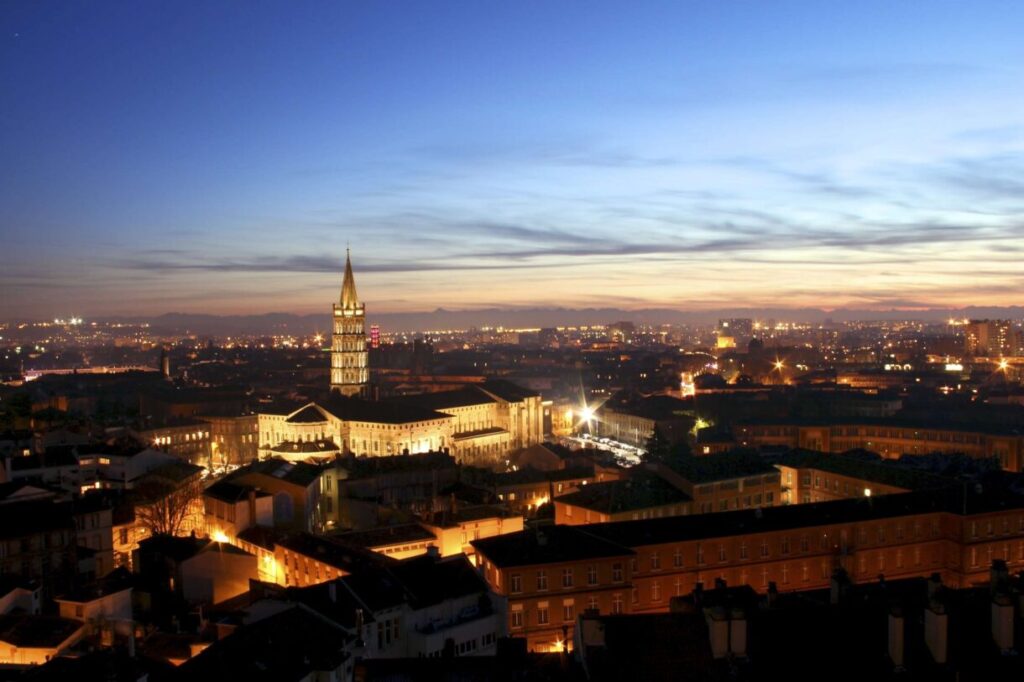
With the start of the 2026 Soccer World Cup, a controversial debate is also erupting in the city of Toulouse. The city government, led by Mayor Jean-Luc Moudenc, intends to introduce a nighttime curfew for unaccompanied minors under the age of 16 during matches considered particularly high-risk. The specific implementation methods have not yet been determined, but the basic principles have already been decided by the city.
The background to this measure is the serious riots that occurred in the city center of Toulouse in early June after Paris Saint-Germain’s Champions League final victory. According to the city’s announcement, damages amounted to about 45,000 euros due to damaged vehicles, destroyed street furniture, and ransacked public facilities. Several minors were among those arrested.
Mayor Moudenc explains that city authorities need additional measures to prevent similar incidents during the world’s largest soccer tournament. The planned regulation will prohibit young people without parental supervision from being in public spaces after a time that has not yet been decided. According to the city government, this framework is modeled after Clermont-Ferrand, where minors under 16 are subject to a nighttime curfew from 11 p.m. to 7 a.m. during the tournament period.
However, this initiative also faces significant political backlash. Representatives from left-wing parties criticize the city government for attempting to address issues caused by some minorities with comprehensive security measures. They point out the risk of many young people being collectively held responsible for the actions of a few rioters. Instead of repressive measures, they call for the establishment of more controlled fan zones, enhanced prevention programs, and the expansion of cultural and sports activities, aiming to conduct celebrations in an orderly manner.
Reactions among the youth themselves are divided. While some understand the plan given the recent violent incidents, others view it as excessive and question its effectiveness. Several young people expressed skeptical opinions to local media about whether the curfew could prevent spontaneous riots.
The case of Toulouse is typical of issues currently being debated in many French cities. Large-scale events like the Soccer World Cup are expected to promote public enthusiasm and social cohesion, but at the same time, social tensions, organized group actions, and spontaneous violent acts increase safety risks.
It is unclear whether the planned curfew will ultimately be effective. However, this discussion demonstrates how difficult it is to balance public safety, individual freedom, and the character of sports as a national festival.
Author: P. Tiko