
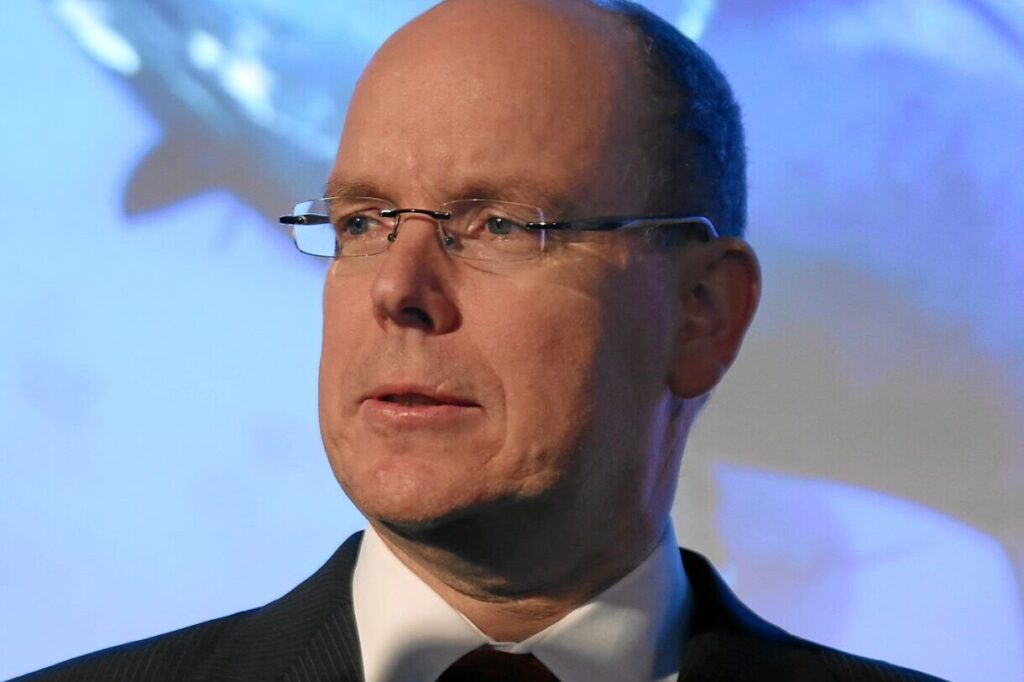
On June 26, 2025, Philippe Mettoux – barely a month after his appointment by Prince Albert II – declared his resignation from the office of Minister of State of Monaco. The unexpected decision sheds a harsh light on structural blockades in the city-state’s political system.
The statement, in which Mettoux spoke of “negative and opposing forces” wanting to preserve “archaic practices of the past,” offers deep insight. He lamented not having the necessary levers to implement the reforms desired by the Prince for the modernization and stabilization of Monaco.
A position with a special role
The Minister of State in Monaco is the head of government and the highest administrative official. Traditionally, this is a senior French civil servant appointed by the Prince who de facto acts as a link between Monaco and Paris. The selection of Mettoux – an experienced jurist, former attorney general, and compliance director of SNCF – was seen as a sign of institutional transparency and renewal.
Judicial scandals shake the Principality
The withdrawal falls into a phase of growing domestic political upheavals in Monaco. Investigations into corruption and bribery are underway against several former top officials. Particularly explosive is the case of Didier Linotte, the long-time president of the Supreme Court, who was recently charged with alleged conflicts of interest. At the center are multimillion-euro real estate projects and suspicions of unlawful influence by wealthy entrepreneurs.
The name Patrice Pastor, one of the most powerful real estate investors in the principality, repeatedly appears in reports. He is accused of having built a network of loyalties in politics and justice over the years that favored his projects while simultaneously blocking reform initiatives.
Leadership Vacuum Worsens Crisis
Since the death of the previous Minister of State Didier Guillaume in January 2025, Isabelle Berro-Amadeï has been leading the government provisionally. With Mettoux’s withdrawal, the principality now remains without a designated head of government – a delicate situation given growing international demands for good governance and anti-money laundering measures.
Reform Deadlock as a Strategic Risk
Monaco is under pressure. International organizations demand progress from the small, wealthy state on transparency, compliance, and judicial independence. However, recent developments reveal a fundamental problem: the resistance of influential networks against any changes that could weaken their position.
For Prince Albert II, Mettoux’s resignation means a strategic defeat. He now not only has to find a new candidate who is willing to face this power constellation, but also maintain the trust of international partners. The image of a monarchy being torn between old loyalties and modern governance is likely to cloud the principality’s shine for the foreseeable future.
Author: P. Tiko