
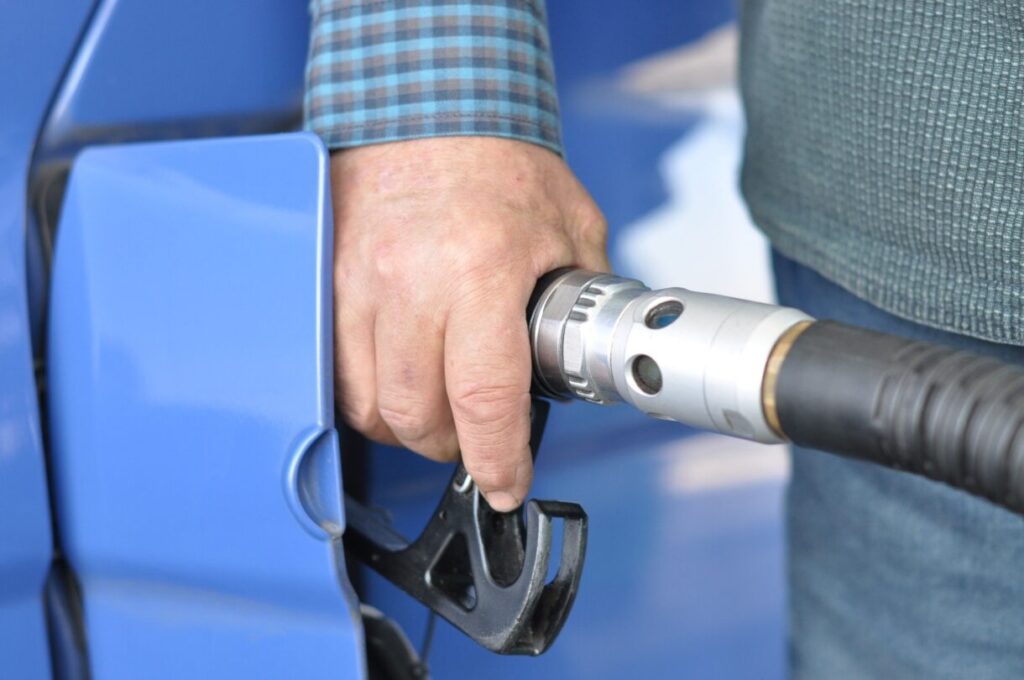
In view of ongoing tensions in the Middle East and sharply rising energy prices, the French government is tightening its economic protection measures. Prime Minister Sébastien Lecornu announced a new aid package in Paris aimed especially at relieving those professional groups most affected by the high fuel prices. The government is responding to increasing concerns over a prolonged energy crisis resulting from instability around the Strait of Hormuz.
At the center of the new strategy is targeted support for specific sectors rather than a broad reduction in fuel prices. Paris has deliberately opted against a general subsidy at the pumps. In the government’s view, comprehensive tax relief would be financially hardly sustainable given the tight budget situation. France is currently seeking additional billions to consolidate the state budget in any case.
Finance Minister David Amiel estimated the total volume of the new measures at around 1.2 billion euros. About 710 million euros are earmarked for additional aid. The main beneficiaries are expected to be long-haul drivers, transport companies, farmers, fishermen, construction trades, as well as energy-dependent small and medium-sized enterprises.
One of the key measures concerns the so-called “Prime carburant,” a tax- and duty-free fuel premium granted by employers. Its cap will be doubled from 300 to 600 euros. The government hopes to relieve especially commuters and employees in rural areas where a car often remains indispensable.
At the same time, Paris is focusing more on accelerated switching to alternative drives. Taxi drivers are to receive better state support in the future when purchasing or leasing electric vehicles. This also reflects the long-term goal of reducing France’s structural dependence on imported fossil energy sources.
However, the measures reflect not only economic considerations but also significant political nervousness. Within government circles, there are growing concerns that the geopolitical crisis in the Middle East could drag on for months. Already, disruptions in shipping around the Strait of Hormuz are causing strong fluctuations in international energy markets. A significant portion of the world’s traded crude oil passes through this strategically crucial strait.
Although France is less dependent on gas imports than other European countries thanks to its extensive nuclear power sector, its economy remains highly vulnerable to rising oil prices in the transport and industrial sectors. The transport sector in particular suffers from high energy costs, which increasingly affect supply chains and consumer prices.
In addition, there is a domestic political factor still present in Paris: the memory of the “Gilets jaunes” protest movement. The massive demonstrations against rising fuel prices deeply shook French politics from 2018 onward. The government is now visibly trying to prevent a similar social escalation—yet without further massively increasing the already high national debt.
P.T.