
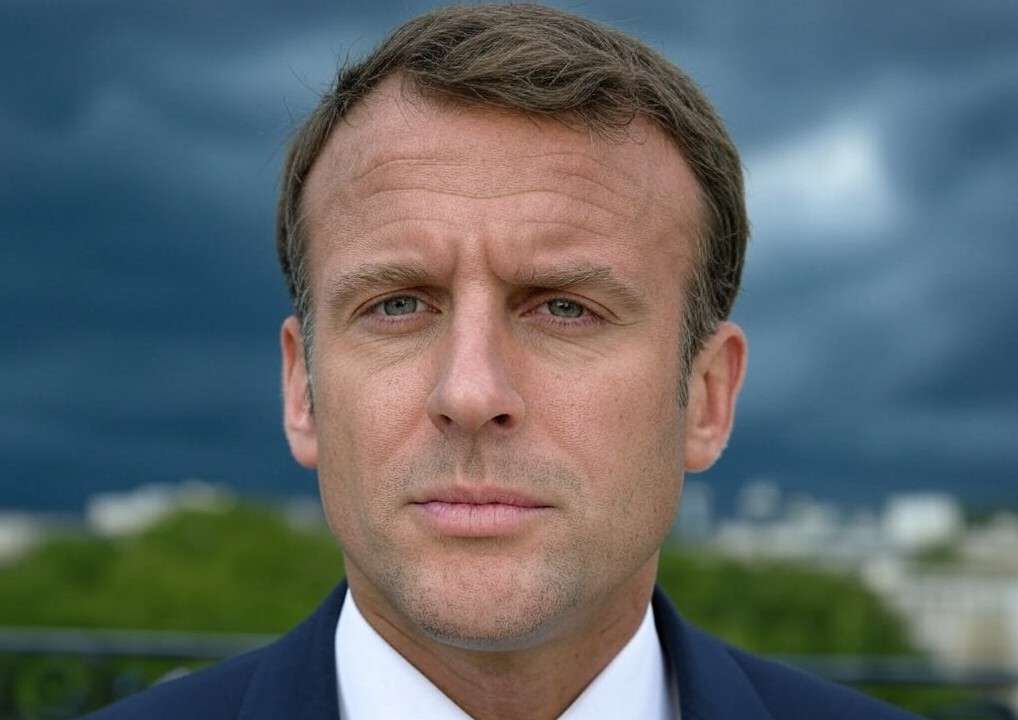
Emmanuel Macron will visit the area near Fontainebleau affected by severe forest fires on Thursday morning. The visit, announced for 11 a.m., is more than a symbolic appointment: the French president wants to personally thank the emergency teams and emphasize the State’s determination to address, with all available means, the consequences of a forest fire season of exceptional intensity.
For several days, firefighters, civil protection services and numerous other rescue teams have been battling one of the most severe forest fires ever recorded in the Île-de-France region. Although the flames are now considered “contained” and are no longer spreading uncontrollably, the fire is far from being completely extinguished. Remaining hotspots and the persistent drought make constant monitoring necessary.
About 950 firefighters remain engaged in the operation. They are supported by firefighting aircraft and helicopters which, even after the situation has stabilized, regularly drop water on particularly at-risk areas. The goal is to prevent the fire from regaining strength, a danger that persists due to high temperatures and dry forest soil.
The fire has already devastated large areas of the historic Fontainebleau forest. The wooded area south of Paris is among France’s most important natural and recreational spaces and also has high ecological value. The destruction of extensive forest areas therefore represents not only considerable environmental damage, but also affects a region that attracts millions of visitors every year.
With his visit, Macron is deliberately sending a political signal. According to the Élysée, the president intends to express his appreciation for the women and men working on site and at the same time emphasize that the French state is mobilizing all available resources in the face of a wildfire season of exceptional intensity. This summer, the government is facing a series of extreme weather events that are increasingly testing civil protection.
The wildfires of recent years have shown that France, like other countries in southern Europe, is being affected increasingly often by prolonged periods of heat and extreme drought. While in the past large-scale fires were concentrated mainly in the Mediterranean region, they are now also increasing significantly in regions that have so far been less exposed to the risk. The Fontainebleau fire is therefore considered another warning sign of the growing effects of extreme climate events.
For the emergency teams, however, the priority for the time being remains the complete containment of the fire. Only when all remaining hotspots have been eliminated and further spread can be ruled out will the emergency be considered over. Until then, firefighters, civil protection and aerial support will remain on alert to protect the valuable forest area from further damage.
Author: P. Tiko