
Illegal wildlife trade is no longer the image of old smugglers. Ivory, rhino horns, or pangolin scales – these words make many think of markets somewhere far away in Africa or Asia. But the trade has taken on a new face. Today it is right in the middle of European living rooms. Cozy and exotic, perfectly staged on social networks.
In TikTok, desert foxes with huge ears. Serval cats on leashes in designer apartments. Small apes wearing children’s sweaters on Snapchat. Millions of users “like,” share videos, and comment “so cute!” or “I need one of these too.” It is precisely at this point that the problem begins.
Behind the cute videos often hides a cruel reality. Many animals come from illegal capture or suspicious breeding facilities. Young animals lose their mothers and are transported across Europe in dark boxes with forged documents. Some even lose their lives during transport. Behind the neatly edited images on smartphones lies a long journey of suffering.
Interpol recorded a sharp increase in the number of wild animals seized in 2025. During a global major crackdown, investigators uncovered nearly 30,000 live animals. These included turtles, birds, reptiles, primates, and large cats. Authorities have observed the same trend for years: demand for exotic pets is rapidly increasing.
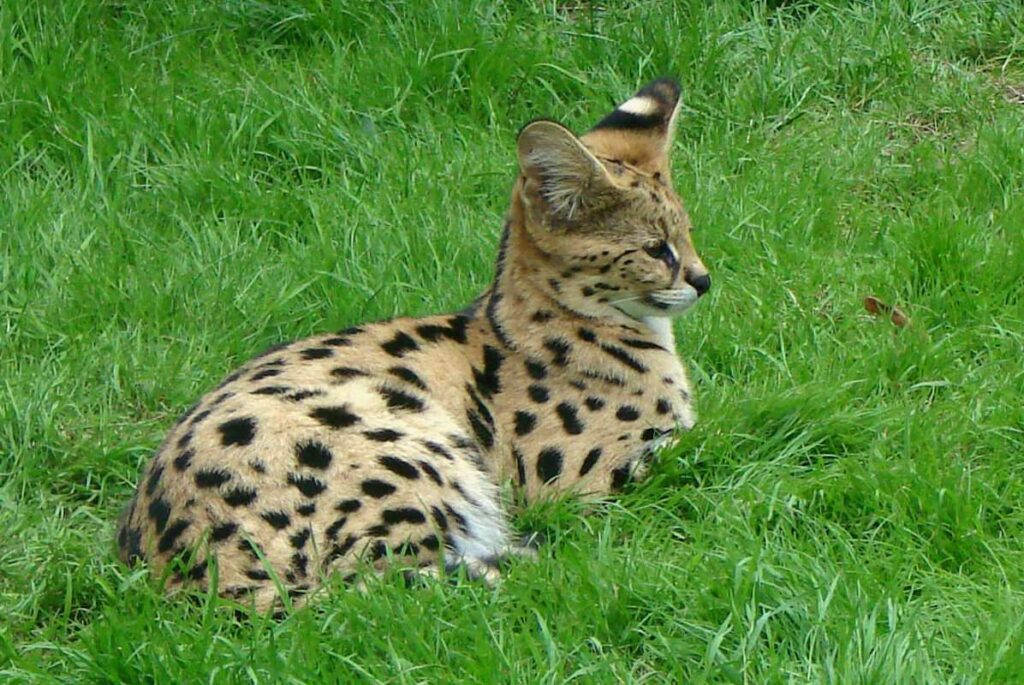
In particular, servals have emerged as a symbol of this dangerous trend in France. The African wild cat is elegant and mysterious in appearance – larger than a domestic cat, with long legs and spotted fur. That is exactly the appeal. But servals are still predators. They mark territory, damage furniture, and react aggressively. They are not suitable for city apartments or influencer videos.
And then? They often face a terrible reality. Many buyers realize too late that they have not purchased a special pet, but an unpredictable wild animal. Protection centers now regularly report abandoned exotic animals. Some animals live powerless in small cages, while others are driven onto the streets. Like a broken luxury trend – but with the added problem of living beings.
Social networks play a central role. Sellers cleverly disguise their products. Instead of “sale,” they use expressions like “adoption” or “baby available for adoption.” Illegal trade hides behind harmless words and cute videos. Platforms already act like digital shop windows – fast, anonymous, and difficult to control.
But the real driver of the trade is demand. As long as exotic animals are seen as status symbols, smugglers will find buyers. A fennec fox in the living room appeals to exclusivity, a serval in the garden is meant to impress. This follows the same logic as luxury watches or sports cars, but the difference here is that a living ecosystem has been reduced to a commodity.
Police and customs are increasing crackdowns, but the market moves faster than many laws. Encrypted messengers, courier deliveries, and various regulations within Europe greatly facilitate smuggling. The game of hide-and-seek between rats and cats continues 24/7.
The fact is clear: the fennec fox is not a desert pet doll. The serval is not a designer pet. Wild animals should not be in Instagram stories or on living room sofas. Their place is the natural habitats where they have lived for thousands of years.