
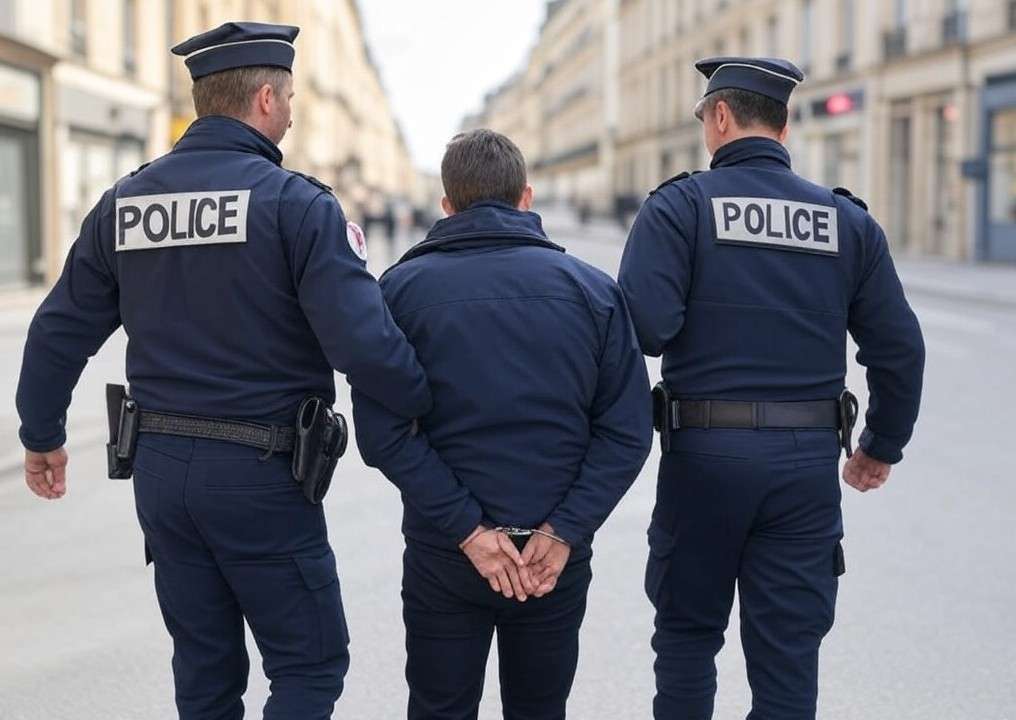
Four men aged between 20 and 43 in police custody, 66 recorded offences, damage amounting to more than 220,000 euros – what initially sounds like a classic criminal case takes on far greater significance upon closer inspection.
The investigation focuses on a series of thefts, attempted break-ins and acts of vandalism spanning several departments in Brittany. Particularly affected: small post offices, often inconspicuous buildings in communities that are not exactly blessed with infrastructure. Doors forced open, equipment destroyed, operations paralysed – a recurring pattern that is unlikely to be mere coincidence.
But the real significance lies behind the damaged facades.
These post offices are more than mere service locations. They function as everyday hubs. This is where parcels are collected, banking transactions are carried out and registered letters are received. For many people – especially older or less mobile individuals – they represent a measure of reliability in an increasingly digitalised world. When such a point of contact is unavailable, it is not just a service that disappears, but also a piece of everyday security. Suddenly, it means longer journeys, more effort, more frustration. Honestly – it really annoys people.
The recent incidents suggest a coordinated approach. Within a few days, several branches in southern Morbihan were affected; similar acts had already occurred weeks earlier in neighboring regions. Authorities therefore speak of organized crime – a legally significant term that points to structured procedures and possible networks.
Nevertheless, the investigation is still in its early stages. Police custody does not replace a verdict. The task now is to reconstruct movements, secure evidence, and establish connections. Video recordings, technical traces, witness statements – only the overall picture determines the solidity of the allegations.
At the same time, an uncomfortable question arises: How vulnerable are public services in rural areas?
For years, services in sparsely populated areas have been under pressure. Closures, restructuring, improvised solutions. If targeted attacks are now added to the mix, a double effect emerges – material and psychological. Local politicians fear further erosion, and citizens lose trust. And this happens gradually.
The choice of targets is anything but random. Post office branches are considered accessible, less heavily secured, yet functionally important. It is precisely this combination that makes them attractive to perpetrators – and problematic for society.
What remains is a case that points beyond itself. One that shows how closely security, infrastructure and quality of life are intertwined. And that raises the question of how much protection should be afforded to seemingly small but essential facilities.
One could say: This is not just about crime. It is about the foundation of everyday life.