
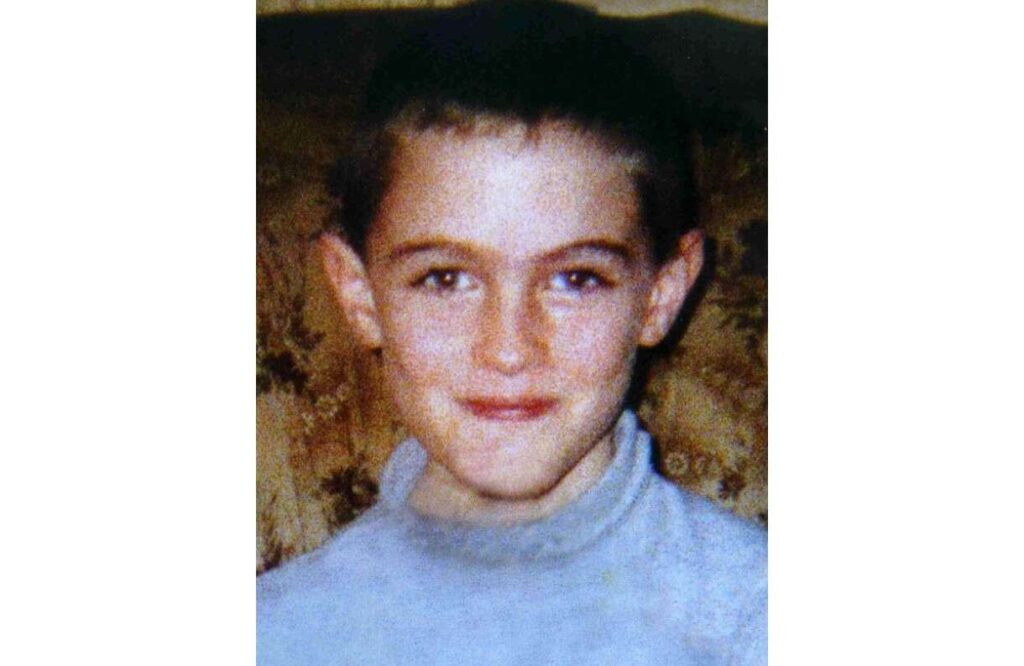
More than two decades after the disappearance of young Jonathan Coulom, France is reopening one of the most harrowing criminal cases of the early 2000s. The trial of German national Martin Ney has begun before the Nantes criminal court – a name long associated in Germany with a series of horrific crimes. For Jonathan’s family, this trial does not bring closure. Rather, it is one final attempt to finally obtain answers.
Jonathan was only ten years old when he disappeared during the night of 6 to 7 April 2004. At the time, the boy was taking part in a school trip with his class from the Cher department to Saint-Brevin-les-Pins, on France’s Atlantic coast. By morning, there was no trace of him. Teachers, police, volunteers – everyone searched frantically. France followed the case with bated breath.
A few weeks later, the macabre discovery.
Jonathan’s body was found in a pond near Guérande. Weighed down by a concrete block, bound, concealed like a dark secret. Many investigators still speak today of one of those cases you never truly forget. The details too disturbing. The victim too young.
At the center of the current trial is Martin Ney, now 55 years old. In Germany, he is already serving a life sentence for the murder of three boys between 1992 and 2001. In addition, there are numerous acts of sexual assault against minors. The German press gave him a name that sounds like a nightmare: “the bogeyman.”
Early on, German investigators noticed similarities between Ney’s known acts and the Jonathan Coulom case. But direct evidence was lacking for a long time. That is precisely what makes this trial so exceptional—and legally delicate.
Martin Ney still denies any involvement to this day.
The French prosecution relies primarily on circumstantial evidence. Particularly puzzling is a message posted on the Internet in 2004 that mentioned details of the murder even before Jonathan’s body was found. There are also testimonies from people who claim they may have seen Ney in the area at the time. A former cellmate also makes serious accusations against him: he claims that Ney confessed the act to him in prison.
Whether this is sufficient for a conviction remains uncertain.
The trial is expected to be emotionally charged. Over approximately three weeks, experts, investigators and witnesses from France and Germany are expected to testify. Many parties have been following the case for decades. Some investigators are now retired, while others still remember precisely the searches during those cold spring days in 2004. Such trials often carry a somewhat ghostly atmosphere — as if the past were suddenly reappearing in the room.
At the same time, the case shows how much so-called “cold cases” have changed. In the past, investigations focused primarily on regional leads and local suspects. It was only through strengthened European cooperation between authorities that the Jonathan Coulom case developed further. Cross-border investigations, new witness statements and digital traces gradually brought Martin Ney more into the focus of the investigations.
For the boy’s family, one thing matters above all in the end: certainty. After 22 years filled with doubts, hopes and setbacks, the question now is whether the court can finally establish what really happened at the time.
And whether a crime long concealed can still be legally addressed — or whether some shadows will remain forever.
By C. Hatty