
The oppressive heat over France has hung like a bell over towns and villages for several days. The asphalt sparkles, the parks dry out, even the nights offer almost no respite anymore. In Poitiers, a traditional city in the west of the country, the search for coolness ended tragically: a 17-year-old boy died after jumping into the Clain River.
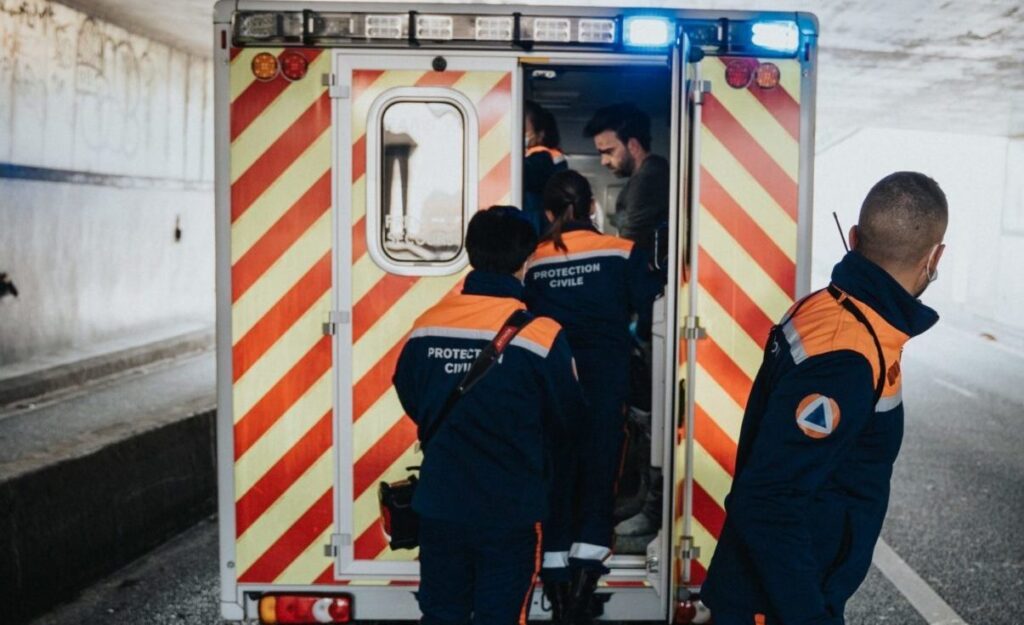
The young man disappeared shortly after his jump beneath the water’s surface. Friends immediately alerted the rescue services because he did not resurface. Divers, firefighters, and emergency teams searched the river area – a place that apparently has served for years as an improvised swimming spot for young people. Shortly after, they found the young man in the water. All help came too late.
The news deeply shook Poitiers. During hot summer evenings, many young people go to the banks of the Clain. There, groups settle on the grass, music comes from small speakers, and some spontaneously dive into the water. For many, this has now become part of summer – a ritual between freedom, heat, and recklessness.
But that is precisely where the danger lies.
The rivers often appear harmless. Their surface seems calm, almost peaceful. Underwater, the reality is often different. Currents suddenly change, deep zones are surprisingly cold, branches or mud complicate orientation. Added to that is the temperature difference: suddenly diving into cold water after hours spent under a blazing sun exposes one to a thermal shock called cold water shock. Blood circulation reacts violently, muscles contract, orientation and control are lost – sometimes within seconds. “It happens faster than you think,” rescuers have been saying for years. And yet, many underestimate the danger.
France is currently experiencing an exceptionally early heatwave. In many cities, people desperately seek to cool down. Official public pools are crowded, some swimming sites close due to lack of space. Many therefore turn to rivers, lakes, or canals – often unsupervised and far from any safety control. This is exactly what authorities warn about almost daily.
The young man’s death now joins a series of tragic accidents this summer. Young people in particular are drawn to natural bodies of water. Perhaps because these places promise freedom. No entrance fee, no rules, no lifeguards. Just dive in. It seems easy at first glance. But nature does not follow human ideas.
On social media, many people reacted emotionally to this tragedy. Many recalled their own summer evenings by the Clain and described the river as a central meeting point of their youth. Between sadness and disbelief, a new debate ignites: does France need more supervised swimming areas during extreme heat episodes? Many municipalities face pressure to create safe places for cooling off before other young people lose their lives.
Summer, which normally promises lightness, is showing its dangerous face these days.