
The French public often shows a dual response to this issue. On one hand, there is a strong demand for public safety and rigorous law enforcement. On the other hand, anxiety grows when there is an impression that the state neglects even the basic standards of the rule of law.
Because of this, the death of a detainee carries special symbolism. It serves as a reminder that the state’s seriousness about the rule of law is tested by how it treats those who no longer have the right to protect themselves.
The Role of European Jurisdiction
The European context also comes into play here. France has already been criticized multiple times by the European Court of Human Rights for prison conditions. Strasbourg pointed out issues such as overcrowding, poor sanitation, and lack of medical services.
European jurisdiction considers the right to life and humane detention conditions as fundamental obligations of member states. This implies a duty of active protection. Authorities must not respond only after a detainee has died or fallen seriously ill but must recognize warning signs early and take preventive measures.
If it is confirmed that clear warning signs were ignored in this incident, France could once again face international pressure. Human rights organizations will use this case as an opportunity to point out the long-known structural flaws.
Political Pressure on the Government
This incident is also politically sensitive for the French government domestically. The debate about the penal incarceration environment is increasingly intertwined with larger social issues. How much funding should the state allocate to public institutions? What priority should be given to the rehabilitation of criminals? And how can safety be ensured without undermining the principles of the rule of law?
In particular, left-wing parties and human rights organizations have long demanded a complete reform of the penal system. On the other hand, conservative forces tend to argue that the real problem lies in the increasing crime rate and the overall overload of the judicial system.
This death incident could further intensify this debate. It clearly shows how quickly institutional flaws can concretely lead to human suffering.
What is now important to the family of the deceased is not monetary compensation but the public acknowledgment of state responsibility. They demand that their relative’s death not be treated as an individual misfortune, but rather as a symptom of a system that has long ignored warning signs.
This case thus becomes a benchmark that tests the rule of law in France beyond the fate of an individual. The way the state treats prisoners is a measure of how seriously it takes human dignity and the principles of the rule of law.
Source: Défenseur des droits (France), Observatoire international des prisons (2025), humanrights.ch (2025), European Court of Human Rights, “carence fautive” in French administrative law
Author: P. Tiko
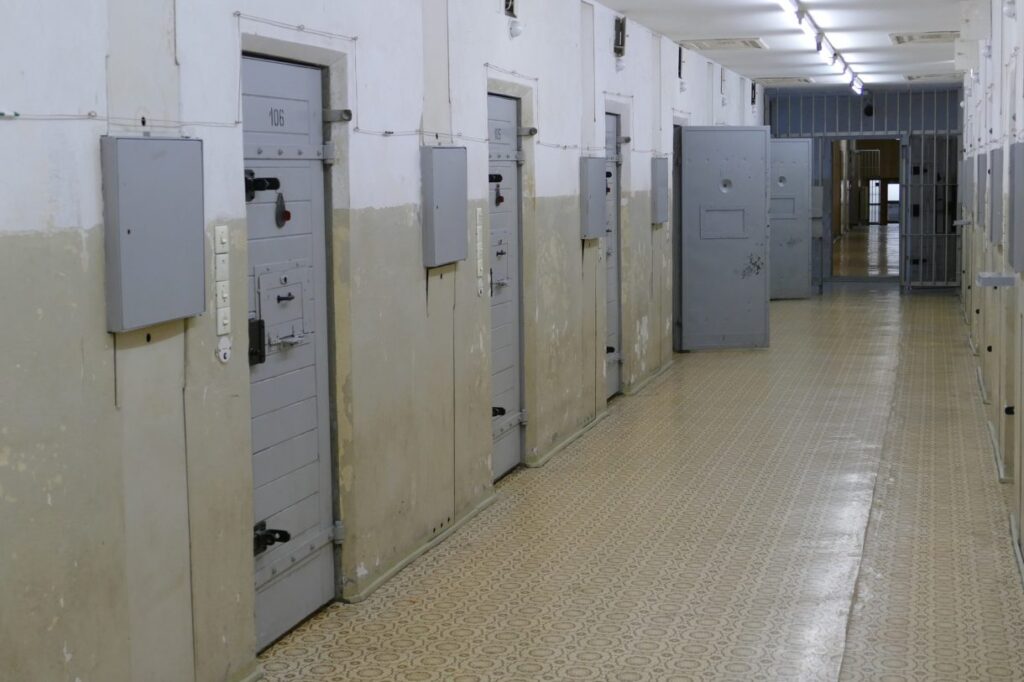
An incident in a French prison where an inmate died is causing significant political and judicial repercussions. Initially seen as a tragic isolated event, it now raises fundamental questions about the state’s responsibility during criminal detention. At the core is a claim made by the family that the prison administration observed the inmate’s physical and mental decline for weeks without appropriate intervention.
The bereaved describe this as “slowly collapsing before the eyes of the state.” This expression provokes sensitive reactions given that the poor conditions in many French prisons have been strongly criticized for years. The case challenges not only the responsibility of individual officials or doctors but also the overall functionality of the French criminal detention system.
Key Issues of State Responsibility
Legally, France finds itself in a difficult position. According to French law, the state bears comprehensive responsibility for individuals in custody. This is because people deprived of their liberty are under the full control of the state. Therefore, the obligation includes ensuring safety in detention environments as well as providing medical and psychological care.
The deceased’s family claims that the authorities violated this duty. According to them, the victim’s condition noticeably deteriorated over a long period, with significant weight loss, increasing isolation, and obvious health warning signs. Nevertheless, adequate medical care was not provided.
French administrative law includes the concept of “carence fautive” in such cases, which means neglect due to fault by the state. In the past, French authorities have been found liable for lack of care in prison deaths or suicides. The key issue is whether warning signs were recognized and whether the administration responded appropriately.
This aspect, in particular, makes this case politically sensitive. If the court determines that the authorities ignored clear health deterioration, wide-ranging repercussions are expected for the French criminal detention system.
France’s Chronic Prison Crisis
This incident coincides with increasing criticism of detention conditions within correctional facilities. France has faced structural overload problems in its correctional system for years. Many prisons are overcrowded beyond capacity, and shortages of staff and medical equipment are severe.
According to official statistics, the occupancy rate of French prisons consistently far exceeds the established capacity limits. In some facilities, 2 to 3 inmates are confined together in cells originally designed for one person. This overcrowding not only strains the facility infrastructure but also makes appropriate management and care for mentally and physically vulnerable inmates difficult.
The particularly high rates of suicide and death in prisons are very concerning. Human rights organizations have pointed out for years that the mental crises of inmates are recognized too late. France is one of the countries in Europe with especially high suicide rates among criminal inmates.
Experts view this issue not as an isolated problem of individual facilities but as the result of an overburdened system. Overworked prison guards, a lack of psychological counselors, and delays in medical examinations create an environment where vulnerable inmates are easily overlooked.
Between the Logic of Security and Human Dignity
This incident also reveals the fundamental contradictions inherent in the modern criminal justice system. Prisons fundamentally serve a security function. At the same time, the state has an obligation to protect the dignity and physical integrity of inmates.
In political debates, these two principles often collide. Calls for strict detention conditions or enhanced security measures frequently confront warnings from legal experts or human rights organizations, who emphasize that detention should not lead to dehumanization.
The French public often shows a dual response to this issue. On one hand, there is a strong demand for public safety and rigorous law enforcement. On the other hand, anxiety grows when there is an impression that the state neglects even the basic standards of the rule of law.
Because of this, the death of a detainee carries special symbolism. It serves as a reminder that the state’s seriousness about the rule of law is tested by how it treats those who no longer have the right to protect themselves.
The Role of European Jurisdiction
The European context also comes into play here. France has already been criticized multiple times by the European Court of Human Rights for prison conditions. Strasbourg pointed out issues such as overcrowding, poor sanitation, and lack of medical services.
European jurisdiction considers the right to life and humane detention conditions as fundamental obligations of member states. This implies a duty of active protection. Authorities must not respond only after a detainee has died or fallen seriously ill but must recognize warning signs early and take preventive measures.
The French public often shows a dual response to this issue. On one hand, there is a strong demand for public safety and rigorous law enforcement. On the other hand, anxiety grows when there is an impression that the state neglects even the basic standards of the rule of law.
Because of this, the death of a detainee carries special symbolism. It serves as a reminder that the state’s seriousness about the rule of law is tested by how it treats those who no longer have the right to protect themselves.
The Role of European Jurisdiction
The European context also comes into play here. France has already been criticized multiple times by the European Court of Human Rights for prison conditions. Strasbourg pointed out issues such as overcrowding, poor sanitation, and lack of medical services.
European jurisdiction considers the right to life and humane detention conditions as fundamental obligations of member states. This implies a duty of active protection. Authorities must not respond only after a detainee has died or fallen seriously ill but must recognize warning signs early and take preventive measures.
If it is confirmed that clear warning signs were ignored in this incident, France could once again face international pressure. Human rights organizations will use this case as an opportunity to point out the long-known structural flaws.
Political Pressure on the Government
This incident is also politically sensitive for the French government domestically. The debate about the penal incarceration environment is increasingly intertwined with larger social issues. How much funding should the state allocate to public institutions? What priority should be given to the rehabilitation of criminals? And how can safety be ensured without undermining the principles of the rule of law?
In particular, left-wing parties and human rights organizations have long demanded a complete reform of the penal system. On the other hand, conservative forces tend to argue that the real problem lies in the increasing crime rate and the overall overload of the judicial system.
This death incident could further intensify this debate. It clearly shows how quickly institutional flaws can concretely lead to human suffering.
What is now important to the family of the deceased is not monetary compensation but the public acknowledgment of state responsibility. They demand that their relative’s death not be treated as an individual misfortune, but rather as a symptom of a system that has long ignored warning signs.
This case thus becomes a benchmark that tests the rule of law in France beyond the fate of an individual. The way the state treats prisoners is a measure of how seriously it takes human dignity and the principles of the rule of law.
Source: Défenseur des droits (France), Observatoire international des prisons (2025), humanrights.ch (2025), European Court of Human Rights, “carence fautive” in French administrative law
Author: P. Tiko