
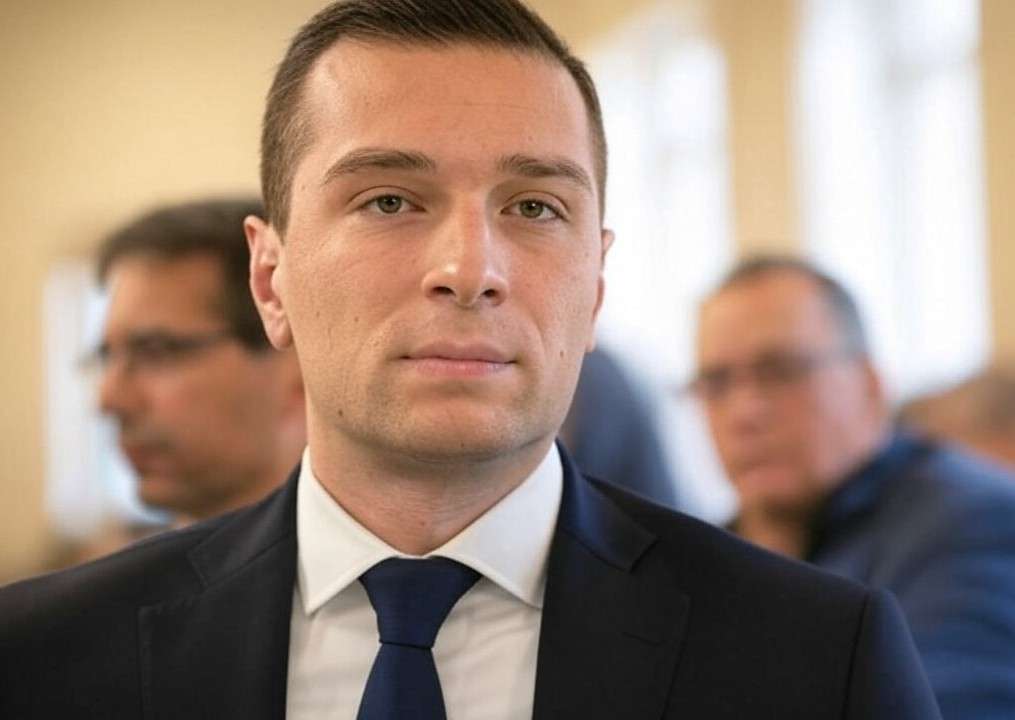
With a criminal complaint against rapper Soli, the chairman of the Rassemblement National (RN), Jordan Bardella, has sparked a new debate about the limits of artistic freedom in France. The reason is the music video for the song „Un Facho K.O.“, which according to Bardella depicts explicit violent fantasies against him and other right-wing politicians.
The controversial video shows a man wearing a mask that imitates Bardella’s face, who is repeatedly beaten. Other well-known figures from the French right-wing and far-right, including Marine Le Pen and Éric Zemmour, also appear in scenes where they are bound or publicly humiliated. The images are accompanied by aggressive lyrics aimed at political opponents.
Bardella responded with sharp criticism and announced legal action on May 27, 2026. Via social networks, he stated that political violence must come to an end and must not be relativized. According to him, both the lyrics and the visual language of the clip cross the boundaries of acceptable political criticism.
The case touches on a controversial topic in France for many years: where does artistic provocation end and where does punishable incitement to violence begin? Especially within the rap genre, political and social conflicts are often deliberately exaggerated and confrontationally portrayed. Artists often invoke freedom of speech and art, while critics argue that certain expressions can legitimize or promote violence.
The French judiciary has dealt with similar conflicts several times in the past. Both rappers and political actors have repeatedly appeared in court when texts or video clips were perceived as offensive, defamatory, or threatening. However, the rulings varied and mainly depended on the specific design of the works and their clear artistic context.
In the current case, the legal assessment has not yet been made. The announced lawsuit only marks the beginning of a possible trial. The decisive factor will be whether the competent courts classify the expressions as satirical or artistic exaggeration or conclude that the content constitutes a criminally relevant threat or incitement to violence.
Regardless of the outcome of the proceedings, the controversy shows how strongly political polarization and cultural forms of expression have now become intertwined. The discussion will therefore likely extend far beyond the individuals involved and raise questions once again about the limits of freedom of expression.
Andreas M. Brucker