
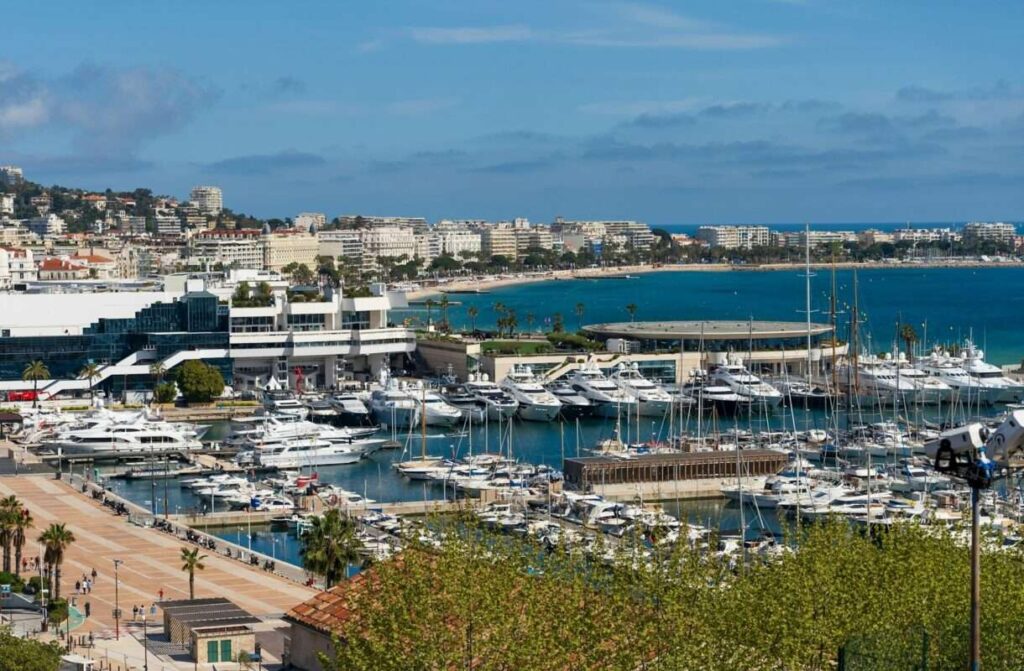
Cannes – 23/05/2026: The Russian filmmaker Andrei Zvyagintsev received the Grand Prix at the 79th Cannes Film Festival for his film “Minotaur”. In his subsequent thank-you speech, he made a direct appeal to Russian President Vladimir Putin, stating that only he can stop the current hostilities in Ukraine. Zvyagintsev said: “Millions of people on both sides of the front eagerly await the end of the massacres. The whole world is waiting for you to put an end to this slaughter.”
“Minotaur” is Zvyagintsev’s first film in nine years and deals with the consequences of war on private life in Russia. It follows a successful entrepreneur confronted with his wife’s infidelity, while the society around him is marked by fear, corruption, and the effects of war.
Since the beginning of the Russian aggression against Ukraine, Zvyagintsev has been living in exile in France. He emphasized in Cannes that a return to Russia is impossible for him, because he does not want to make propaganda films glorifying war and patriotism. “I have no reason to be there anymore. Making films under these conditions would be a betrayal for me,” he explained.
However, the Kremlin rejected the appeal. Dmitry Peskov, spokesperson for the Russian president, stated on Monday that he would not forward Zvyagintsev’s message to Putin and questioned the director’s legitimacy. He criticized the fact that Zvyagintsev did not condemn the Ukrainian attacks in eastern Ukraine either and claimed that the filmmaker had “no right” to make such demands.
“Minotaur” is scheduled to be released in theaters in France on October 14, 2026. Despite the political tensions, Zvyagintsev hopes that the film will also be seen in Russia, possibly through informal channels bypassing censorship.
Zvyagintsev’s public condemnation of the war and his use of an international stage like Cannes highlight the role of art and cinema as means of resistance and social commentary. His call for peace is part of a series of voices from Russian exiles drawing global attention to the humanitarian consequences of the conflict.
The Kremlin’s rejection illustrates the ongoing tension between culture and politics in Russia as well as the risks faced by artists who openly take a stand against the government. Zvyagintsev’s position constitutes an important contribution to the debate on war, freedom, and responsibility in times of political censorship and asylum.
Sources
- The Moscow Times
- Le Monde
Dieser Artikel wurde mit Hilfe künstlicher Intelligenz erstellt.