
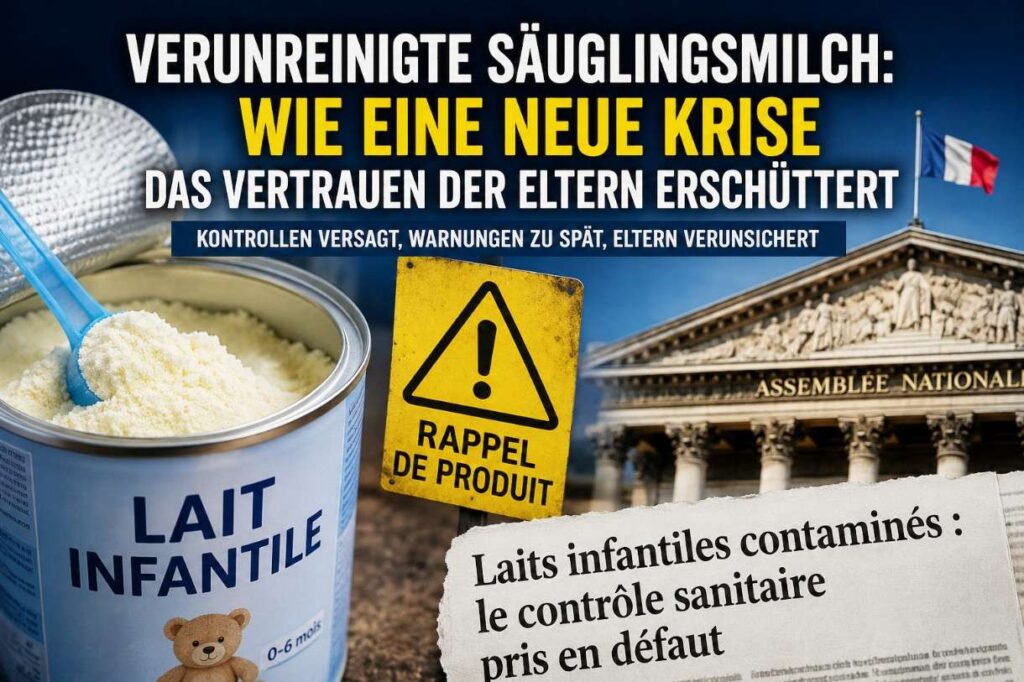
A can of infant formula is considered a symbol of safety by many parents. Especially during the first few months after birth, families trust that baby food is strictly regulated, produced hygienically, and harmless to health. Therefore, the recent contaminated infant formula incident in France is all the more shocking. The latest report by the parliamentary inquiry committee warns of issues such as inadequate inspections, delayed responses, and an information policy deficit that shocked many parents.
This crisis was triggered at the end of 2025 by a large-scale recall from Nestlé. Infant formula products were suspended from sale in several countries after the detection of the toxic cereulide substance. This toxin can cause severe vomiting and, while unpleasant for adults, it can be life-threatening for infants just a few months old.
However, it did not end there.
Soon after, other major manufacturers such as Danone and Lactalis also came under pressure, leading to additional recalls. Supermarket shelves were emptied, and parents anxiously stood before half-empty shelves, questioning which products were still safe. Some families nervously checked the batch numbers on formula cans every night, much like people used to check lottery numbers. This time, however, it was not luck but their children’s health at stake.
The recently released report by the French Parliament spares no criticism. The members point out serious flaws found in both manufacturers and government agencies. They express particular concern about the delays in warnings and recall measures. In the case of infant products, one hour is extremely critical.
This incident recalls the 2017 Lactalis scandal. At that time, contaminated baby food became a major issue worldwide, and politicians promised stricter inspections, increased transparency, and the establishment of rapid alert systems. Nearly ten years later, the same problems have recurred, resurrecting like a shadow that has never disappeared.
The core of the criticism lies with France’s inspection system itself. Much of food safety relies on so-called manufacturers’ self-inspections. Companies first check their products themselves and report any anomalies to the authorities. If this information transmission system does not function smoothly, the entire safety net collapses.
This incident appears to be just such a case.
There remain questions, especially about when companies first became aware of the contamination risk and why some recalls were only made public days later. In this type of crisis situation, it is easy to get the impression that economic interests might take precedence over maximum caution. That suspicion alone can destroy trust.
Because trust in the food industry is like fragile glass, it takes years to build but once broken, everything appears cracked.
Politically, pressure on the government is increasing. The investigative committee demands independent rigorous inspections, clear threshold settings, and the introduction of rapid alert systems. It also stresses the need to improve so that parents receive important information directly, rather than through the media or social networks. During the crisis, rumors and half-truths spread quickly, and some parents were completely confused about which products to trust.
The food industry has faced the uncomfortable truth that minimal technical standards for baby food are insufficient. Parents expect absolute care without gray areas, delays, or any calculated judgment.
This costs money.
But the price of losing trust is often much greater than that of preventive recalls. Companies that respond late suffer not only billions in losses but also long-term damage to their reputation. Consumers never easily forget such incidents, especially when a baby is involved.
This parliamentary investigation does not by any means signify the conclusion of the matter. Rather, it is just the beginning of a greater debate about responsibility, transparency, and government oversight. Ultimately, the important lesson is simple yet very weighty. Parents must be able to trust that baby food is certainly safe. Without doubt, without hidden meanings, and without fear when feeding formula at night.
Written by: C. Hatty