
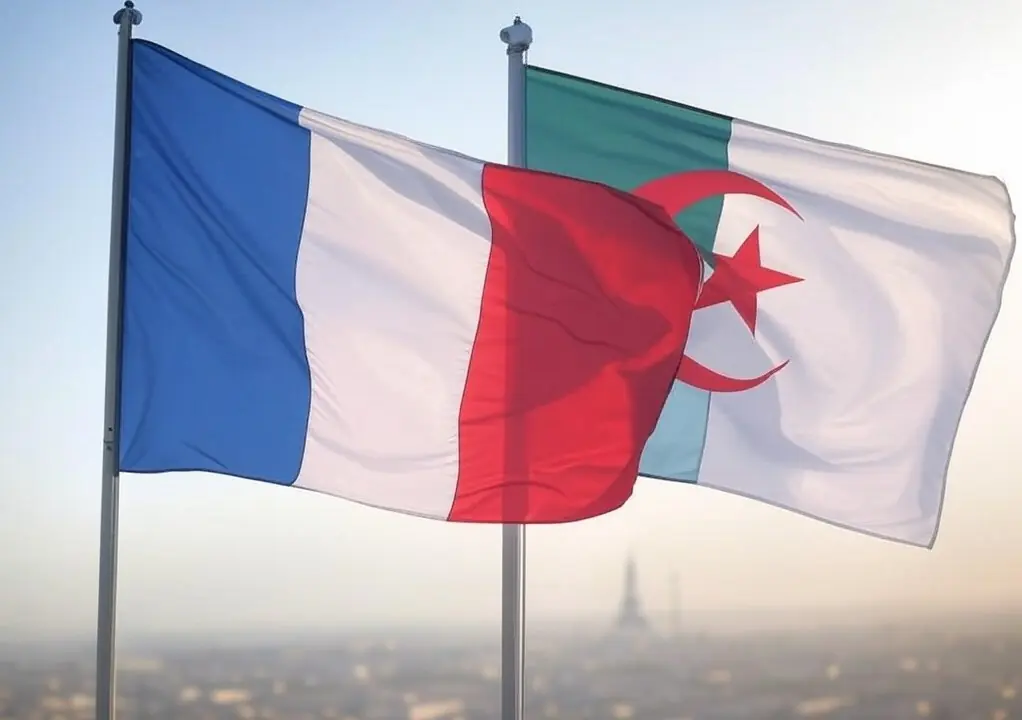
French Justice Minister Gérald Darmanin expressed demonstrative optimism following his two-day visit to Algeria. He said he was “very reassured by the way Christophe Gleizes is being treated,” Darmanin stated on Tuesday after talks with Algerian leadership. The trip was considered an important diplomatic test run after nearly two years of severe tensions between Paris and Algiers.
At the center of the visit was the case of French sports journalist Christophe Gleizes. The reporter was arrested in May 2024 during research in Kabylia. The Algerian judiciary later sentenced him to seven years in prison for “apology of terrorism”—a verdict that sparked bipartisan criticism in France and further strained the already tense relations between the two states.
According to sources close to the journalist, Gleizes has now waived an appeal to the Court of Cassation. This step appears intended to clear the way for a possible pardon by Algerian President Abdelmadjid Tebboune. In Paris, such a gesture is seen as likely, although there has been no official confirmation from Algiers to date.
Darmanin emphasized in interviews with French media that France made it clear to the Algerian authorities that the goal was “not to return Christophe Gleizes to France, but to his mother.” The wording was deliberately chosen: Paris is visibly attempting to avoid escalating the case into an open confrontation with Algeria and instead present it as a humanitarian concern. At the same time, Darmanin made clear that he trusts President Tebboune “to make this gesture for the family.”
The visit by the French Justice Minister marks another step toward diplomatic normalization. Since 2024, relations between the two countries had significantly deteriorated. Points of contention included French migration policy, issues regarding the repatriation of Algerians required to leave, historical conflicts around the colonial era, as well as differing positions on security and Middle East policy.
Particularly the debate over so-called OQTF cases—French deportation orders against individuals required to leave—had burdened the relationship. Paris repeatedly accused Algeria of insufficient cooperation in consular procedures and deportations. Algiers, in turn, criticized the increasingly harsh tone of French domestic politicians towards Algeria and the Algerian diaspora.
Against this backdrop, the Gleizes case acquires significance far beyond the fate of a single journalist. In both capitals, the affair is now regarded as a symbol of whether pragmatic rapprochement is possible or whether mistrust and domestic political reflexes will continue to dominate.
Darmanin spoke after his talks of a “resumption of our judicial cooperation.” Behind this phrasing lies a broader diplomatic calculation. Given growing instability in the Mediterranean region and the security challenges in the Sahel zone, France is again seeking dialogue with Algeria, which is seen as a regional key power. Issues such as counterterrorism, border security, and migration also make effective cooperation necessary from both sides’ perspectives.
For President Tebboune, the affair offers an opportunity to combine domestic toughness with foreign political flexibility. A pardon could be interpreted internationally as a sign of goodwill without the Algerian judiciary having to formally reverse its decision. Authoritarian-leaning systems often use such mechanisms to create diplomatic space without appearing institutionally weak.
Nonetheless, the situation remains sensitive. In France, media and the opposition are closely following the case. Human rights organizations have criticized conditions for journalists and activists in Algeria for months, especially in Kabylia, where the government closely monitors separatist and opposition movements. The Algerian leadership, for its part, reacts very sensitively to foreign criticism, which it often interprets as interference in internal affairs.
The coming weeks are likely to be decisive. Should President Tebboune indeed issue a pardon, this could mark the beginning of a cautious diplomatic easing. However, if Gleizes remains in detention, the case threatens once again to become a political crisis symbol—with consequences far beyond bilateral relations.
Author: P. Tiko