
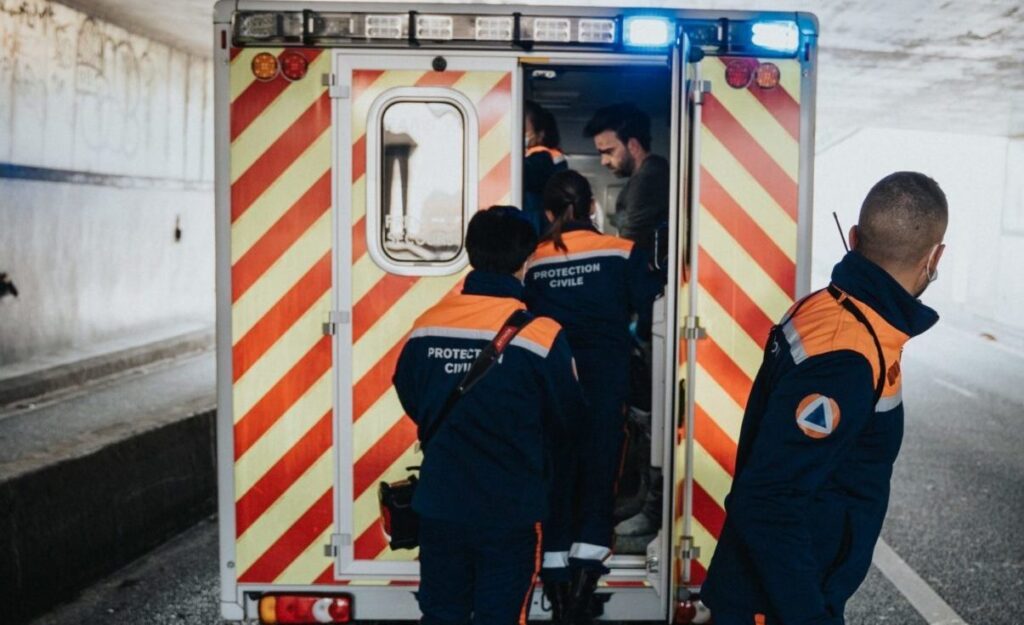
A suffocating heatwave that has struck France hangs heavier day by day over cities and towns. The asphalt gleams with heat, parks are drying out, and even the nights offer little relief. In the traditional western town of Poitiers, a tragedy occurred when a 17-year-old boy seeking coolness jumped into the Clain River and died.
The young man disappeared beneath the surface immediately after diving in. Friends called the emergency services as soon as he did not resurface. Divers, firefighters and rescue workers searched along the river. The spot has been used for years as an unofficial swimming hole by teenagers. Shortly afterward they found the young man in the water, but all rescue attempts were too late.
The news plunged Poitiers into deep shock. Especially on hot summer evenings many young people flock to the banks of the Clain. There groups sit on the grass playing music, and some impulsively leap into the water. For many this has already become a summer routine and a ritual between freedom, heat and recklessness.
But that very point carries danger.
Rivers often appear harmless at first glance. The surface looks calm and peaceful. But the reality beneath the water is often different. Sudden changes in currents, unexpectedly deep and cold spots, and branches and mud that disrupt orientation. Temperature differences are also a problem: after hours under the hot sun, suddenly jumping into cold water carries the risk of so‑called “cold shock.” The circulatory system reacts abruptly, causing muscle rigidity and loss of orientation and control, sometimes within seconds. “It happens much faster than you think,” rescuers have warned for years, yet many underestimate the danger.
France is currently experiencing an unusually early heatwave. In many cities people are desperately seeking relief. Official outdoor pools are packed, and some venues close due to overcrowding. So many turn to rivers, lakes and canals, mostly without supervision or safety measures. Authorities issue strong warnings about this almost daily.
The death of this young person is one of several tragedies that have occurred this summer. Young people in particular are gathering at natural bodies of water—perhaps because such places promise freedom. There is no admission fee, no rules, no lifeguards. Jumping in just seems easy and convenient. But nature does not behave according to human expectations.
On social networks many people expressed deep regret about this misfortune. Numerous users recalled summer nights on the Clain and described the river as a favorite meeting place from their youth. Between grief and bewilderment the debate has flared up again: during extreme heat should France have more supervised swimming areas? Many local authorities are under pressure to provide safe bathing spots before more young people lose their lives.
In fact, summer originally promises lightness, but these days its dangerous underside is coming to light.