
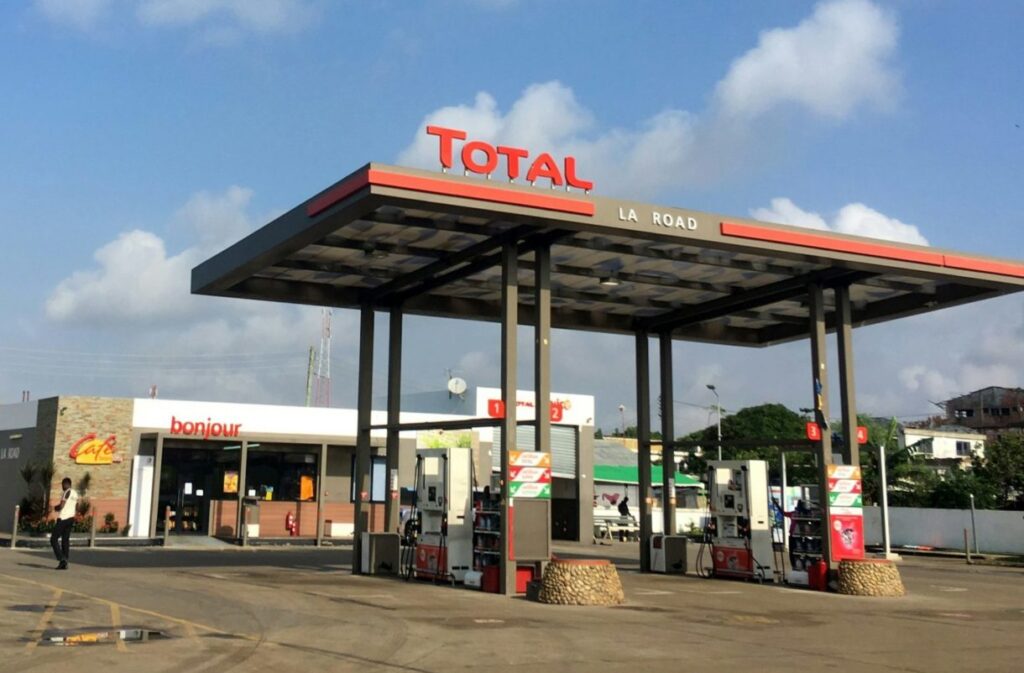
After months of noticeable price increases for gasoline and diesel, drivers are growing hopeful for a turnaround. At gas stations, on social networks, and in everyday conversations, the same observation keeps coming up: When oil prices rise on global markets, prices at the pumps seem to follow almost overnight. However, when crude oil prices fall, the hoped-for relief often takes a long time to arrive.
“Prices should drop just as quickly as they have risen,” says a driver at a gas station in the greater Paris area. He is not alone with this opinion. Many people perceive the development of fuel prices as one-sided and wonder why positive market trends often only reach them with delay.
For many households, the car still represents an indispensable means of transportation. Especially in rural areas and city outskirts, few trips can be made without a personal vehicle. The daily commute, shopping, family visits, or leisure activities regularly lead to high mileage. Even a few cents more per liter quickly add up to a noticeable burden on the monthly budget.
Additionally, the cost of living has risen in many areas. Food, electricity, heating, and housing costs take up an increasing portion of income. Against this backdrop, many consumers follow fuel price developments at gas stations with special attention. Those who refuel weekly notice changes immediately—both in their wallets and on their bank statements.
The question of why falling oil prices do not immediately lead to cheaper fuel prices has several answers. The final price consists of various components. Besides the crude oil price, refining costs, transportation, distribution, and taxes play a decisive role. Moreover, gas stations initially sell their stock purchased at higher prices. This often causes a time lag between developments on international markets and the prices consumers see at the pump.
However, this explanation does not convince everyone. Consumer advocates have called for more transparency in price formation for years. Many drivers feel that price increases are passed on much faster than price reductions. Whether this impression always matches economic realities remains disputed—but the perception of many customers is clear.
At the same time, consumers are becoming increasingly flexible. Price comparison apps and digital services enable finding cheap gas stations nearby within seconds. Some drivers intentionally postpone refueling by a day or use trips to other regions to benefit from lower prices. The competition between gas stations and supermarket chains regularly leads to price differences that often tip the scales for many customers.
The development of fuel prices has long since carried more than just economic significance. It is considered an important indicator of the population’s purchasing power and influences political sentiment. Every noticeable relief is therefore perceived as a positive signal, while new price hikes quickly cause discontent.
Thus, the eyes of many drivers remain fixed on the glowing price boards at gas stations. The hope remains that falling crude oil prices will soon become more noticeable—not at some point in the future, but as quickly as the previous increases occurred.