
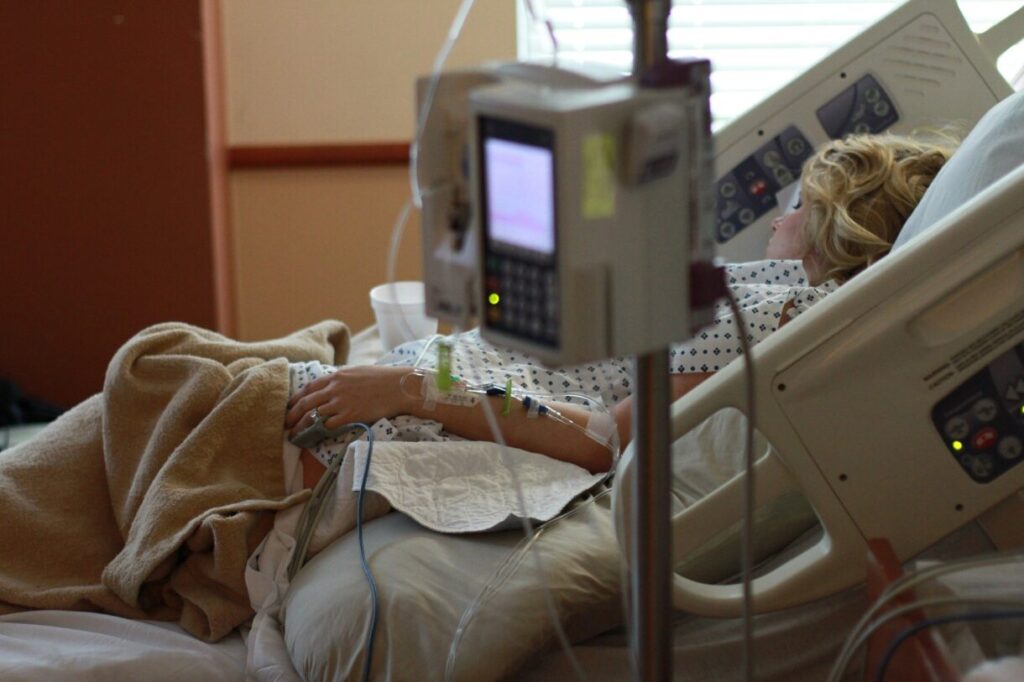
The new heatwave is once again pushing France to its limits. In numerous regions, temperatures are climbing above 40 degrees Celsius, and stricter heat warnings are in force in many places. The strain is particularly evident in hospitals. Emergency departments are recording a sharp increase in patients suffering from the immediate effects of extreme heat. Dehydration, heatstroke, circulatory collapse, and the worsening of cardiovascular and respiratory illnesses are among the most common reasons for admission.
Older people are particularly at risk. Many of them spend several days in overheated apartments without air conditioning and also live alone. They often seek medical help only once their condition has deteriorated significantly. Infants, people with chronic illnesses, and employees who work outdoors or in poorly cooled work areas are also among the groups at greatest risk.
For hospitals, the heatwave comes at an already tense time. During the summer months, part of the medical staff is on vacation, while not all hospital beds are available. Hospital management must therefore adapt operations flexibly in order to ensure patient care while also easing the burden on already heavily strained nurses and doctors.
The government is responding with additional measures. Among other things, particularly affected hospitals are to be equipped with a large number of new air-conditioning units. However, experts point out that air conditioning alone will not solve the problem. Many French hospital buildings date from a time when prolonged and intense heatwaves were barely taken into account. As a result, the structural conditions are often insufficient to protect patients and staff from extreme heat in the long term.
In addition to technical solutions, hospitals are relying on organizational measures. Vulnerable patients are being closely monitored, cooled common areas are being set up, and work procedures are being adjusted to keep physical strain on staff as low as possible. At the same time, hospitals continuously monitor their available capacity so they can respond quickly to rising patient numbers.
The health consequences of the heat are now also visible in the statistics. Health authorities are recording a significant increase in mortality during heatwaves. For many medical professionals, it is therefore clear that extreme heat is no longer an exceptional event, but has become a permanent challenge for the healthcare system. To ensure reliable care in the future as well, there is now little alternative to a comprehensive modernization of hospitals. Better thermal insulation, modern ventilation systems, and climate-adapted buildings are now considered key components of future-proof healthcare provision.
By C. Hatty