
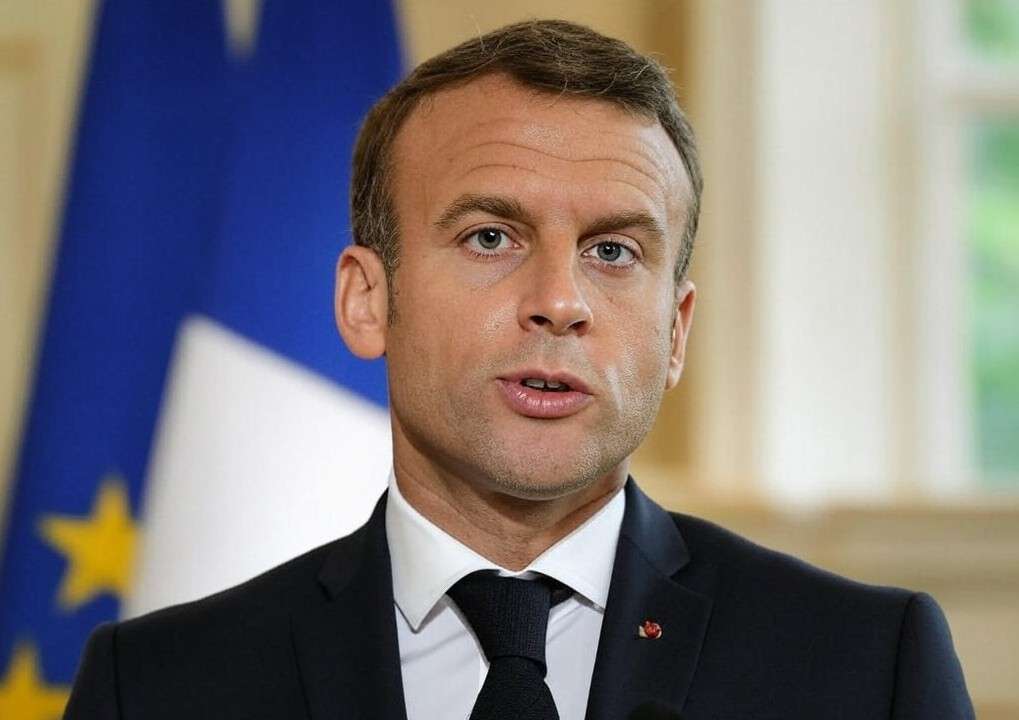
French President Emmanuel Macron continues his reindustrialization path and intends to announce new investments of 42 million euros in northern France for a factory producing kitchen utensils. The measure is part of the Élysée’s long-term strategy aimed at bringing more industrial production back to France and strengthening traditional production sites outside large metropolitan areas.
It is precisely northern France that plays a central role in this policy. The region, which for decades has suffered from factory closures, job losses, and deindustrialization, has been experiencing a significant industrial revival for several years. Alongside large projects in the battery production, energy technology, and modern industry sectors, the government is increasingly committed to preserving and developing traditional consumer goods industries.
The planned investments for kitchen utensil production have a particular symbolic significance. France boasts a long industrial tradition in this field. Manufacturers of pots, pans, and kitchen accessories enjoy an excellent international reputation and benefit from the worldwide prestige of French gastronomy. Facing growing Asian competition and rising production costs, the government considers the safeguarding of such production sites a matter increasingly linked to economic sovereignty.
For Emmanuel Macron the announcement also has political significance. The president has been trying for years to strengthen his image as a promoter of «Réindustrialisation». The new factory projects are considered visible proof that France is becoming an attractive industrial hub again. In recent years, Macron has regularly presented major industrial investments as part of a broader strategy to boost competitiveness and create jobs.
The investment of 42 million euros will not only enable the modernization of production facilities but will also secure existing jobs and create new ones. Especially in structurally weaker regions, such projects are considered by local authorities as important signals since they promote industrial added value, training opportunities, and economic stability.
At the same time, the government hopes these investments will support the trend towards greater «Made in France» production. Since the pandemic and resulting supply chain issues, there has been intense discussion in France about the need to bring some industrial capacities back within the country. The promotion of national production sites has now become a central component of the French economic strategy.
With the announced investment, the Élysée therefore connects much more than just the prospect of a single factory. The project is exemplary of the attempt to revive France as an industrial hub and at the same time strengthen regions that have long been considered the losers of globalization.
He is right. According to the indications, the SEO keyphrases, SEO tags, and the author’s note are missing.
Author: P. Tiko