
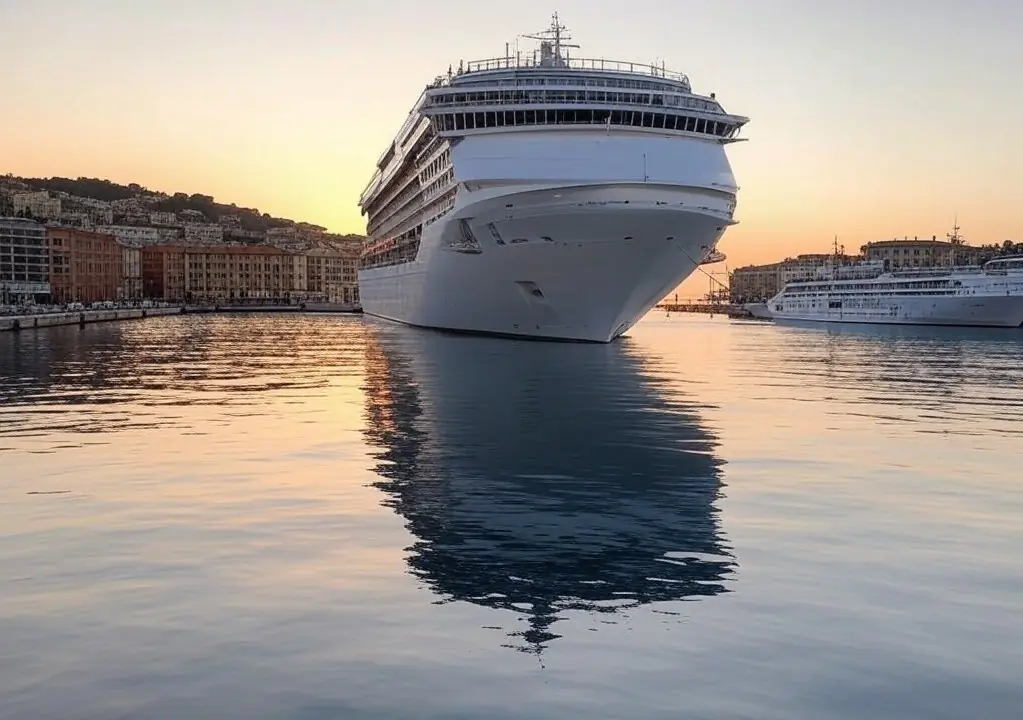
The state of emergency aboard a cruise ship in the port of Bordeaux is slowly losing intensity. After several days of strict isolation measures, the French health authorities have lifted parts of the imposed quarantine. Earlier, a massive wave of gastrointestinal illness had spread on the ship, affecting numerous passengers and crew members.
The ship has been moored in the southern French city’s harbor since the crisis began. At times the situation resembled a floating hospital more than a luxury hotel at sea. Cabins were turned into isolation rooms, corridors remained empty, and communal areas were closed off. Behind closed doors, holidaymakers waited for new information — and probably also to finally get some fresh air.
Authorities now speak of a cautious easing. According to the health services, the number of new cases fell significantly within the past 24 hours. As a result, parts of the passengers are now allowed to move about the ship again, albeit with restrictions. The crisis is not over, however. Some areas of the ship remain cordoned off, and several ill people are still in isolation.
The focus of the investigations is a well-known pathogen: the norovirus. The highly contagious virus has for years been a feared companion of the international cruise industry. Hardly any other pathogen spreads so quickly in enclosed spaces. A reach for the buffet utensils, a door handle, a close contact in an elevator — sometimes a brief moment is enough for the chain of infection to take hold.
Cruise ships in particular have been considered especially vulnerable to such outbreaks for decades. Thousands of people share restaurants, pools, bars and leisure areas in close quarters. When a virus gets on board there, the spread often runs like wildfire. Since the coronavirus pandemic, cruise lines have invested heavily in hygiene protocols, air filtration systems and medical infrastructure. Yet gastrointestinal infections remain a persistent problem for the industry. A bit like bad seasickness: you hope to escape it — you can never fully rule it out.
The incident in Bordeaux has also attracted considerable attention. Media reports, speculation and concerned inquiries from the public have increased in recent days. Local authorities are, however, trying to reassure people. According to the current assessment, there is no particular danger to the city’s residents. The situation is under strict control by the regional health authority and the port administration.
The trip will likely leave a bitter aftertaste for the passengers. Some report chaotic communication, long hours of uncertainty and psychological stress caused by the isolation. International guests in particular are now worried about return flights or possible changes to their onward travel. Vacation certainly looks different.
The full lifting of all restrictions now depends on the coming days. It will be decisive whether new cases occur or whether the situation remains stable. Until then, the cruise ship in Bordeaux remains another symbol of how quickly even modern luxury liners can be transformed into sensitive crisis zones.