
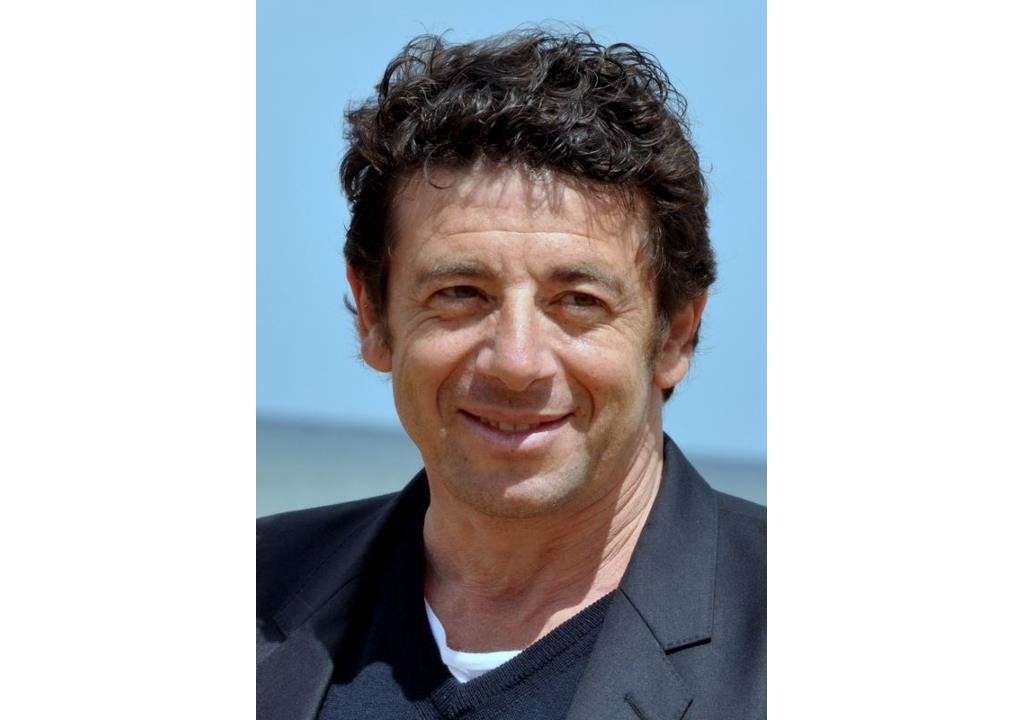
These are the kinds of news that regularly shake the cultural sector – and yet each time unfold with a particular impact. The French singer and actor Patrick Bruel is currently facing serious allegations. At least two complaints of sexualized violence are on the table, embedded in a development that has long since gone beyond the isolated case.
Two proceedings, two points in time, growing pressure.
In March of this year, a complaint was filed in Paris for attempted rape and sexual coercion. The allegations refer to an event from 1997, taking place around a film festival in Mexico. In parallel, another investigation has been ongoing since 2024, triggered by a complaint of rape in connection with a festival in Dinard in 2012.
The time gap between the alleged acts and the legal steps initially appears confusing. However, it follows a familiar pattern. Many victims only report years or decades later – out of fear, shame, or simply because no one listened to them before.
And this is exactly where the societal dimension of the case begins.
Because the two allegations do not stand alone. Several women describe similar experiences in journalistic investigations that span a long period of time. A picture emerges of recurring situations in professional or semi-private contexts – difficult to prove, often without witnesses, but remarkable in their frequency.
This causes unrest. And questions.
Bruel himself denies all allegations. Through his lawyer, he has stated that there was never any coercive behavior, no boundary crossing against the will of others. It is the classic line of defense – clear, firm, without nuances. And it meets a legal system that is made exactly for this: to examine conflicting accounts, evaluate evidence, endure doubt.
But outside the courtrooms, time ticks differently.
Public perception forms faster, often more impatiently. Since #MeToo, the balance of power has shifted. Voices that were previously ignored now gain space. At the same time, sensitivity to power structures is growing, especially in the entertainment industry.
This also changes the view of past cases. Already in 2019, Bruel was confronted with allegations that, however, remained legally without consequences. For some, an indication of a lack of substance; for others, an example of how difficult it is to prove such acts.
The truth lies – as so often – not openly revealed, but hidden in details, memories, statements.
What remains is a field of tension that is hardly resolvable: the desire to give victims a voice, and at the same time the demand not to judge anyone prematurely. The current debate moves between these poles, tentatively, sometimes contradictory, but necessary.
For Patrick Bruel, this development marks a turning point. Regardless of the outcome of the proceedings, his public persona is under scrutiny like never before.
And society is watching. More closely than before. Perhaps also more ruthlessly.
Author: C. Hatty