
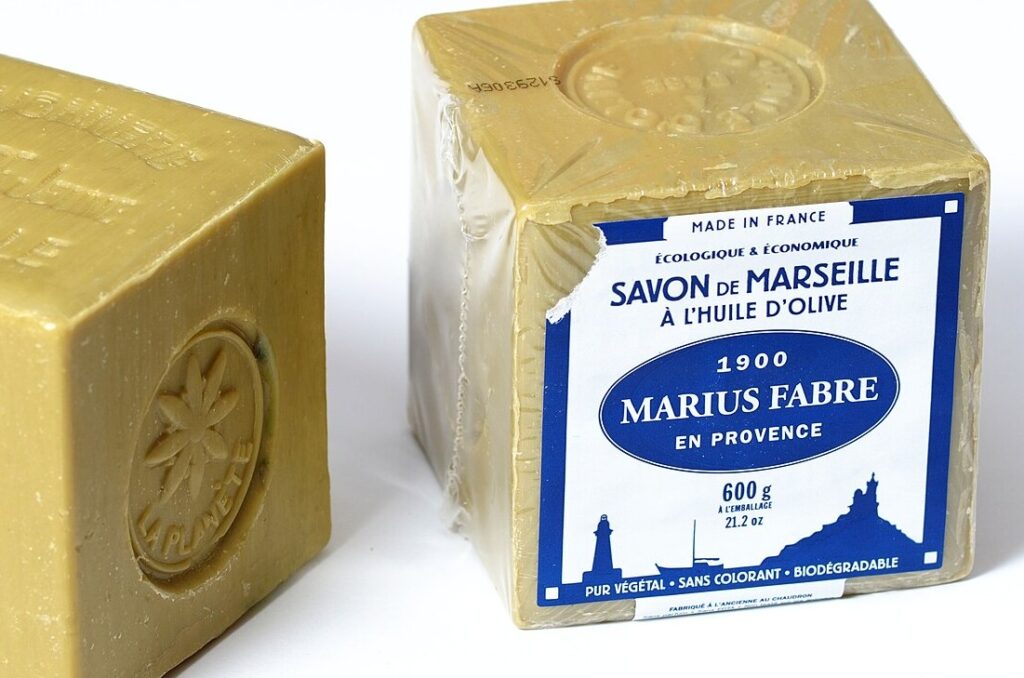
Marseille, like few other French cities, stands for traditional products with a high degree of recognizability. The famous Marseille soap, aromatic pastis, crisp navettes, artfully made santons, or hand-painted ceramics have been part of the Mediterranean metropolis’ cultural heritage for generations. Yet these very classics have been struggling for years with a problem: increasingly, products bear the name “Marseille” even though they were neither manufactured there nor produced according to the traditional methods.
With the new quality seal “Fabriqué à Marseille”, the city is now sending a clear signal for authenticity and regional craftsmanship. The label recognizes only products that are actually manufactured within the city area or substantially processed there. In addition to local value creation, artisanal quality, sustainability and social responsibility play a central role in the awarding process.
The need for such a seal is particularly evident in the example of the famous Marseille soap. Although its name is known worldwide, the designation still does not enjoy comprehensive legal protection. As a result, numerous imitations enter the market that have little to do with the traditional production. Consumers therefore often get the impression that they are buying an authentic product from Marseille, although it originates from entirely different regions or even from abroad.
The new label is intended to provide orientation. Whoever carries the seal meets clearly defined requirements and stands for genuine Marseille know-how. This benefits not only the producers but also customers who are specifically looking for authentic products.
The award is by no means limited to soaps. Distilleries, coffee roasters, chocolate manufactories, breweries, furniture makers, fashion ateliers, designers and innovative technology companies can also receive the label. The diversity shows that Marseille has much more to offer than its historical classics. Tradition and modern creativity often go hand in hand here.
For the awarded businesses, the quality seal brings additional advantages. The city supports them in joint advertising campaigns, trade fair appearances and tourism projects. Visitors are thus given easier access to workshops, manufactories and family businesses where artisanal techniques have been preserved for generations. Especially for tourism, the new label opens up possibilities to experience Marseille from a particularly authentic side.
In the first round of awards, more than a hundred companies received the distinction. Some of them were additionally honored for special innovative strength, sustainable production methods or outstanding quality. The positive response shows that interest in regionally produced goods is growing.
With “Fabriqué à Marseille”, the port city is pursuing a strategy that has long been successful in many European regions: the origin of a product should once again become a genuine mark of quality. While the label does not replace an EU-protected designation of origin, it nevertheless creates, for the first time, an official municipal guarantee for genuine manufacture in Marseille. In doing so, the city not only strengthens its economy but also preserves a piece of its identity – for behind every soap, every bottle of pastis and every handcrafted object lies a part of Marseille’s unmistakable soul.
By C. Hatty