
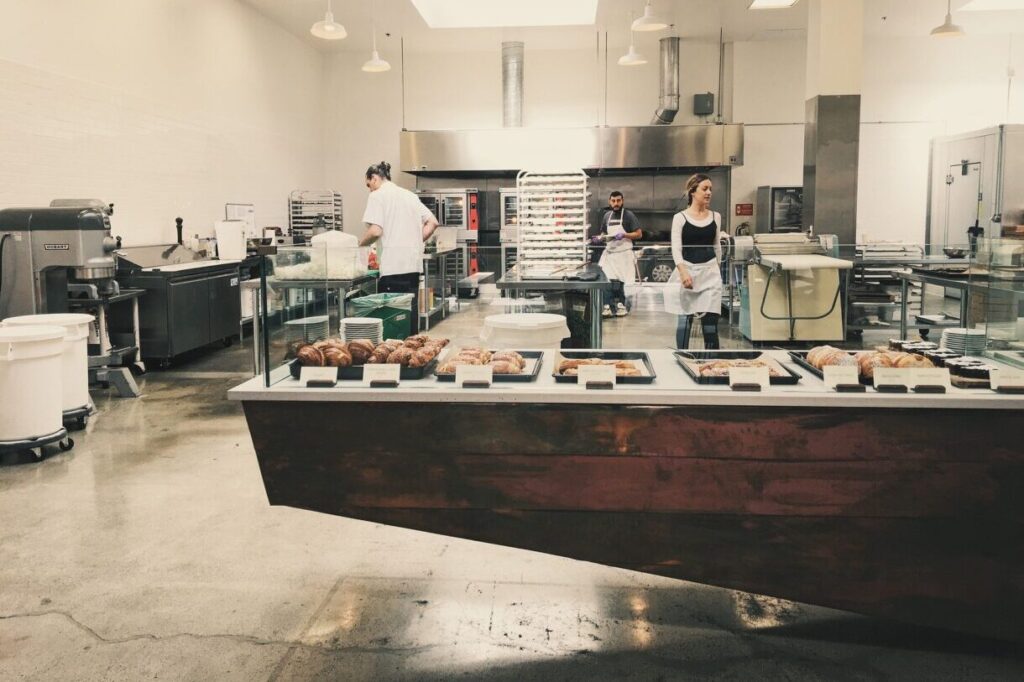
When people think of a bakery in France, they rarely think of bread alone. In their mind’s eye appear small village lanes, the scent of warm croissants, people with paper bags under their arms. The boulangerie is part of daily life there, just like the ringing of church bells or morning coffee. That is exactly why the disappearance of many village bakeries hits the country at a sensitive point.
More and more communities are permanently lowering their shutters. No more fresh baguette, no short chat over the counter, no meeting point in town. In France, people now talk about “déserts boulangers” — bread deserts. A term that sounds almost dramatic but aptly describes the situation.
The causes are not due to a lack of love for bread. On the contrary. The French continue to buy baguettes, pain au chocolat, or traditional country bread daily. But many small artisan businesses are fighting for survival. High electricity prices hit ovens with full force. Flour, butter, and other raw materials cost significantly more than a few years ago. In addition, there are working hours that hardly anyone wants to take on willingly: getting up in the middle of the night, working on weekends, hardly any vacation. Young people often decline — understandably so.
Small villages are particularly disadvantaged by this. Many communities have lost not only their bakery but the entire retail sector. Where butchers, cafés, and tobacco shops used to stand side by side, there is often now yawning emptiness. Sometimes only the town hall and a mailbox remain. It sounds almost like something from an old film but has long been a reality for many regions.
And yet resistance is stirring.
In some places, mayors, shop owners, or cooperatives organize creative solutions. Small village shops have bread delivered in the morning from neighboring towns. Supermarkets set up baking stations. Mobile sales vans travel from village to village. Not romantic, but practical. And often surprisingly successful.
Because bread attracts people. Those who quickly grab a baguette in the morning might also buy cheese, a newspaper, or fruit. Above all, movement returns to the village. A shop with fresh bread brings life back — at least a little.
Of course, no baking station can replace the traditional artisan bakery with its own oven and the typical scent of freshly baked breads. Everyone in France knows that. Nevertheless, a sober change becomes apparent here: Supply now matters more than nostalgia. For older people in rural areas, having accessible bread supply often means independence. Those who do not have to drive twenty kilometers first save time, money, and energy.
France is thus experiencing a silent change in its self-image. The baguette remains a national symbol, almost cultural heritage. But its daily availability is no longer a given. It increasingly depends on whether communities find solutions, traders cooperate, or neighbors improvise.
The fight against the “bread deserts” therefore tells of much more than just baked goods. It tells the story of how rural life should look in the future. Local supply suddenly no longer seems like a nostalgic luxury of the past but a piece of social stability.
And perhaps therein lies the true meaning of the French bakery: It does not just sell bread. It holds places together.
By C. Hatty