
France is once again experiencing a tense wildfire season. Several major fires are currently keeping emergency crews on high alert. The departments of Gironde in the southwest of the country and Var on the Mediterranean coast are particularly affected. The combination of persistent drought, high temperatures and, in some cases, strong winds creates ideal conditions for the rapid spread of flames. Even the smallest spark is enough to start major fires within a short time.
In the Var department, a wildfire has destroyed several thousand hectares of vegetation within just a few days. Although firefighters have now largely brought the blaze under control, the danger is far from over. Numerous hotspots continue to smolder beneath the surface and could flare up again at any time. Hundreds of firefighters therefore remain deployed on site. Working with great effort, they are monitoring the terrain, extinguishing hidden fire sites and securing the affected areas against new outbreaks.
The situation is also causing concern for authorities in southwestern France. Several new fire sources have been discovered in Gironde. The department has painful experience with large-scale wildfires. In recent years, devastating fires had already destroyed vast forest areas and forced numerous people to evacuate. Authorities are therefore closely monitoring every new sign of smoke.
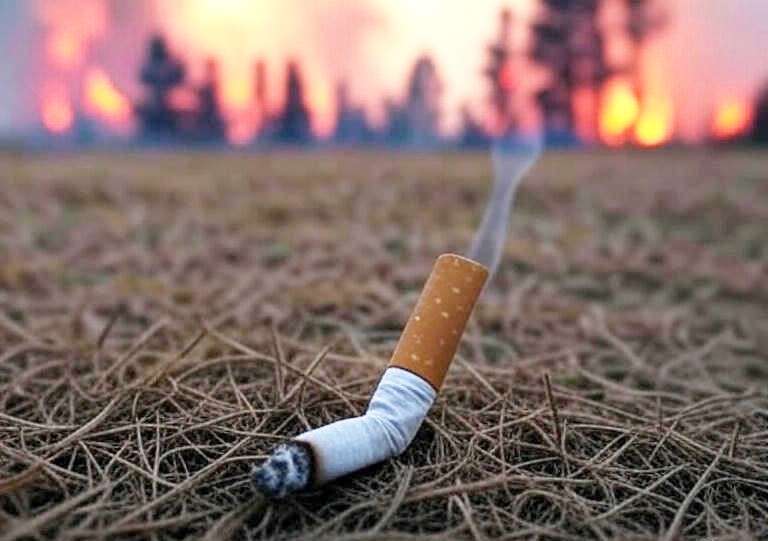
The public has been urged to exercise the utmost caution. Open fires, barbecuing near forests and carelessly discarded cigarettes pose a considerable risk under the current weather conditions. A moment of carelessness is enough for a fire to spread within minutes. Those responsible are therefore appealing to residents and holidaymakers to comply strictly with all safety regulations.
Current figures illustrate the scale of the situation. Since the beginning of the year, French authorities have recorded more than 12,500 fire sources – an exceptionally high figure. Several departments are now considered areas at very high risk of wildfires. Additional firefighting personnel have been mobilized to ensure a rapid response to further fires. Water-bombing aircraft and helicopters are also on heightened alert so they can intervene within the shortest possible time if needed.
Experts see this development as a clear sign that wildfire seasons in France are becoming increasingly longer and more intense. Hot summers, parched soil and longer dry spells without rainfall significantly increase the likelihood of major fires. This raises not only the demands placed on fire services, but also on prevention and forest management.
For many regions, wildfires have now become almost part of summer. Yet every new series of fires shows how vulnerable even well-prepared areas remain. When heat, drought and wind converge, a single spark is often enough to set entire landscapes ablaze.
While emergency crews continue working around the clock, those responsible are hoping for cooler temperatures and rainfall. Until then, the situation remains tense. Every avoided spark helps prevent further fires and ease the burden on emergency crews and the public.
Author: C.H.