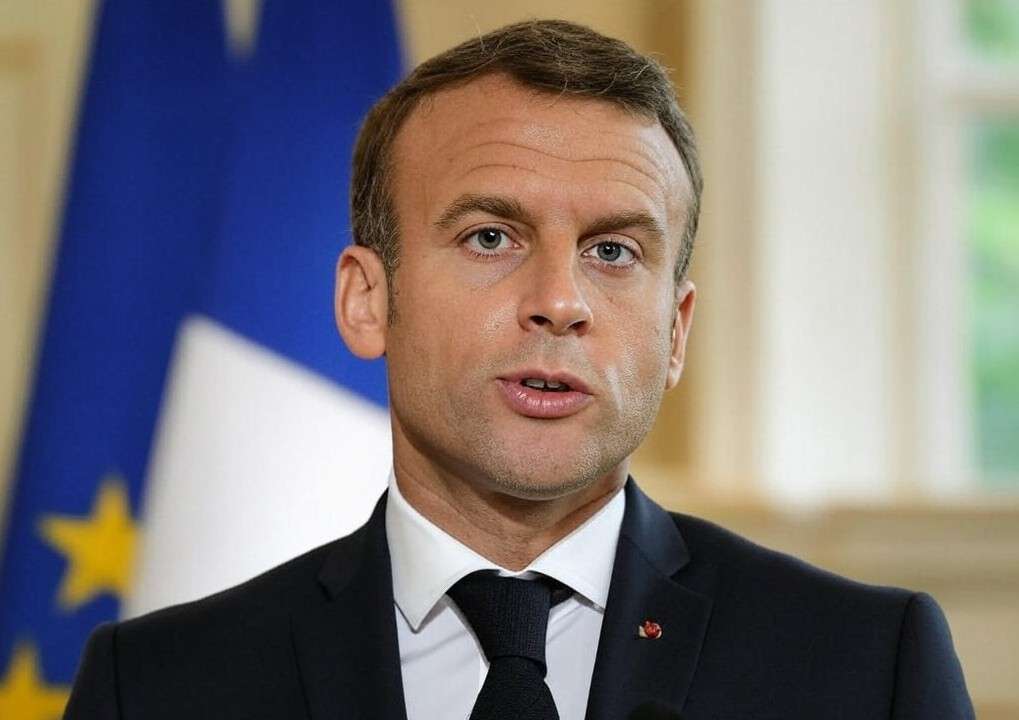
French President Emmanuel Macron continues his reindustrialization policy and wishes to announce new investments amounting to 42 million euros for a cookware manufacturing plant in northern France. This measure is part of the Élysée’s long-term strategy to bring industrial production back to France and strengthen traditional production sites outside of major metropolitan areas.
Northern France holds a central place in this policy. The region, which suffered for decades from factory closures, job losses, and deindustrialization, has experienced a remarkable industrial revival in recent years. In addition to major projects in the fields of battery manufacturing, energy technologies, and modern industry, the government is increasingly striving to preserve and develop traditional consumer goods industries as well.
The planned investments in the manufacturing of kitchen utensils have a special symbolic significance. France has a long industrial tradition in this field. Manufacturers of cooking items, pots, pans, and kitchen accessories enjoy an excellent international reputation and benefit from the worldwide renown of French gastronomy. In the face of increasing competition from Asia and rising production costs, the government considers the preservation of such production sites a matter of economic sovereignty.
For Emmanuel Macron, this announcement also has a political dimension. For years, the president has been striving to refine his profile as a defender of “Reindustrialization.” The new factory projects are seen as visible proof that France is regaining its attractiveness as an industrial location. Over the past years, Macron has regularly presented significant industrial investments that are part of a broader strategy aimed at strengthening competitiveness and creating jobs.
The investment of 42 million euros is intended not only to modernize the production facilities but also to secure existing jobs and create new positions. In structurally fragile regions, such projects are seen by local decision-makers as important signals because they promote industrial added value, training opportunities, and economic stability.
Furthermore, the government hopes that this type of investment will support the trend towards increased “Made in France” production. Since the pandemic and the resulting supply chain issues, there has been intense debate in France about bringing certain industrial capacities back to the country. Supporting national production sites is now a central element of the French economic strategy.
With the announced investment, the Élysée is thus associating much more than the future of an individual factory. The project illustrates the attempt to reposition France as an industrial location while strengthening regions long considered the losers of globalization.
You are right. In accordance with the instructions, the key SEO phrases, SEO tags, as well as the author mention, are missing.
Author: P. Tiko